TPCA panel: AI demand pushes PCBs past 70 layers as equipment lead times stretch to 2–3 years
At the 2026 TPCA Show industry forum on Oct. 21, Prismark partner Chiang Hsu-kao (姜旭高) said PCB growth momentum has shifted markedly toward AI, with demand rising for high-end PCBs, HDI and IC substrates, while consumer-electronics players face higher material prices, longer equipment lead times and lower purchasing priority. He warned that some equipment deliveries may take two to three years, and that if new capacity outpaces demand growth the industry could face oversupply and price pressure. Unimicron executive general manager Lan Ting said AI servers, switches and storage are pushing high-end PCBs from 30–40-plus layers toward more than 70 layers and IC substrates past 30 layers, requiring integrated equipment data, inspection data and production systems to improve yield.
The panel attributes concrete supply-chain strain — 70-plus-layer boards and multi-year equipment lead times — to AI demand, a constraint that shapes how fast capacity can come online.

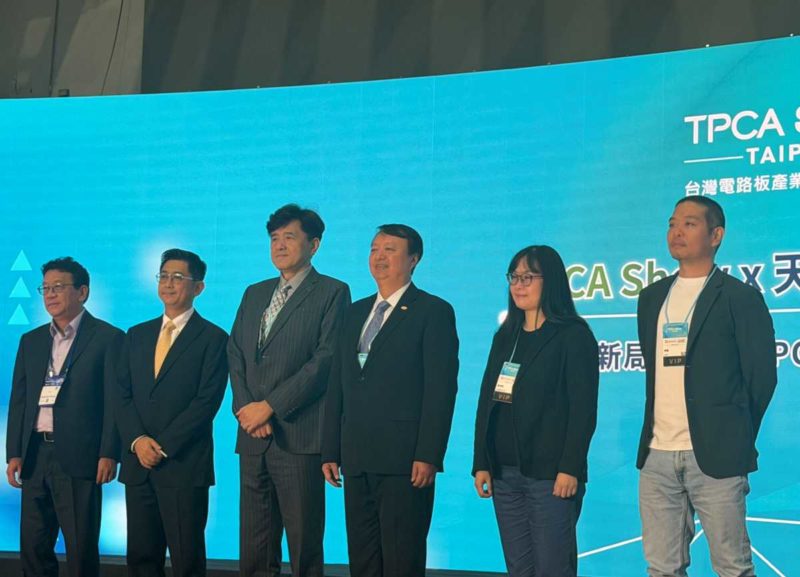
AI 伺服器需求持續成長,帶動高階印刷電路板(PCB)及 IC 載板規格升級,但隨著產品開發週期縮短、板材尺寸與層數增加,設備供應、製程良率及產能擴充也面臨挑戰。今 (21 日)2026 TPCA Show 產業論壇邀請欣興電子執行總經理蘭庭、群聯電子技術長林緯、志聖工業總經理梁又文,以及 Prismark 合夥人姜旭高,探討 AI 浪潮下 PCB 產業的發展與挑戰。
Prismark 合夥人姜旭高指出,近年 PCB 產業成長動能明顯轉向 AI,高階 PCB、HDI 及 IC 載板需求持續增加,產品規格提升與製程複雜度增加,也推升整體產值。然而,AI 需求集中於高階產品,使傳統消費性電子相關業者面臨材料漲價、設備交期延長及採購順位下降等問題。