Ex-CIA chief Petraeus predicts AI could command battlefield weapons by around 2030
Retired four-star general and former CIA director David Petraeus said in a Forecast2050 podcast interview that AI could move within a few years from an assistant that analyses data to a core participant in military decision-making, and around 2030 may begin directing battlefield networks of sensors and weapons with far less direct human involvement. He described agentic AI as an AI staff officer that never rests, eats or takes leave, coordinating large numbers of autonomous systems through a unified command network, and cited "recursive learning" as a driver of military-technical change; he also predicted wider use of autonomous unmanned systems in Ukraine by the end of 2026. Petraeus did not detail how militaries would validate, test or field such capabilities, while US Central Command chief Admiral Brad Cooper said humans always retain the final decision on when to fire and what to target.
The forecast sharpens the debate over autonomous weapons and the limits of human-in-the-loop control, though deployment still hinges on military validation and authorisation.
美国退役四星上将、前中央情报局(CIA)局长戴维·彼得雷乌斯近日表示,人工智能在未来数年内可能从单纯分析数据的辅助角色,逐步发展为能够直接参与军事决策的核心力量。按照他的预测,到2030年前后,AI有望开始指挥由传感器和武器组成的战场网络,而人类的直接参与程度将显著降低。
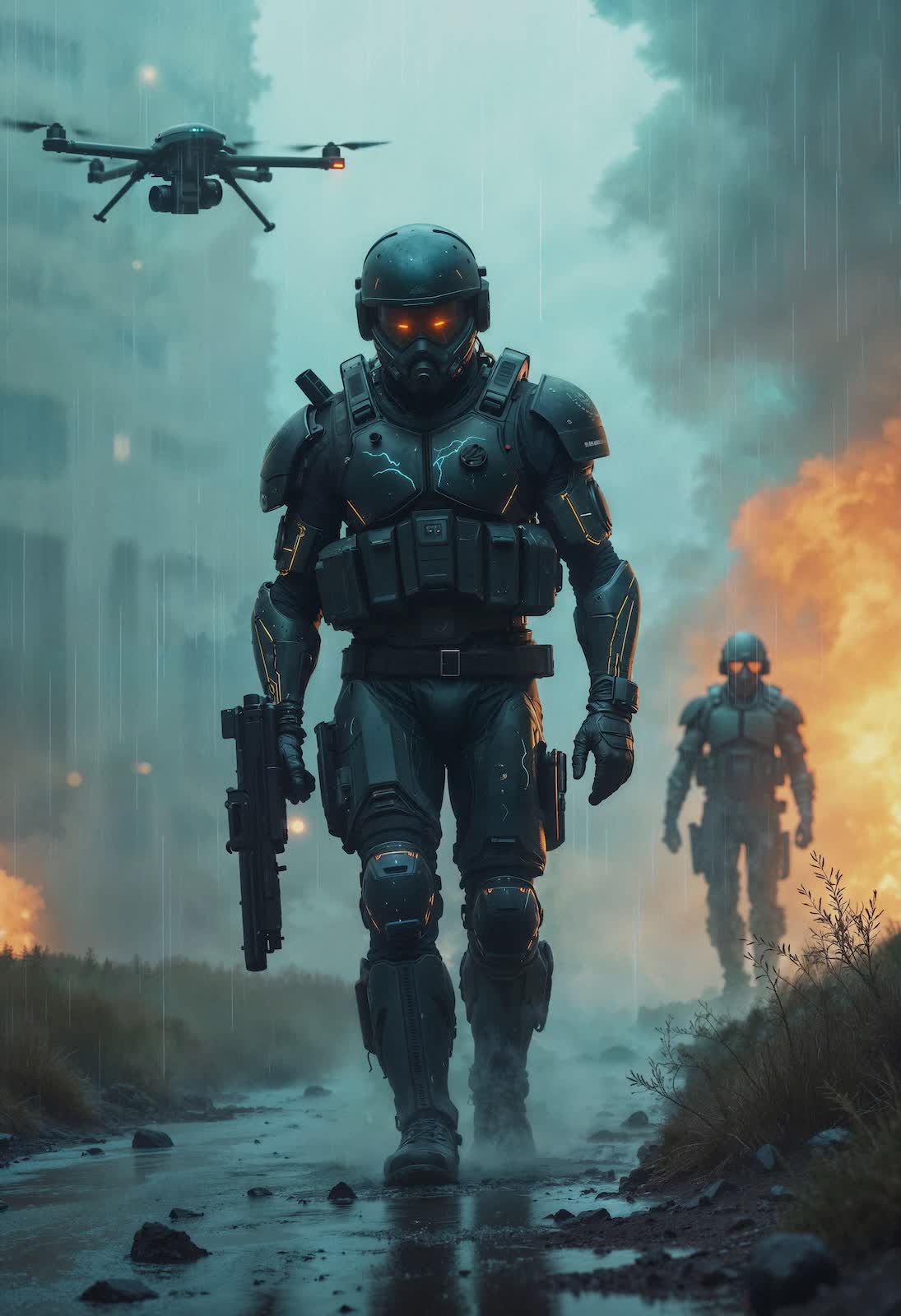
彼得雷乌斯在接受《Forecast2050》播客采访时表示,未来几年内,各国军队将拥有自主系统,甚至出现“自主系统组成的自主系统”。他认为,所谓“代理型AI”(Agentic AI)将充当参谋人员的角色,成为永不休息、无需进食和休假的AI参谋军官。
在他的设想中,未来战场并非由单架无人机各自独立执行任务,而是通过统一的指挥网络将大量自主设备连接起来。战场上的自主传感器负责持续收集情报和环境数据,并将这些信息传输至中央指挥系统。随后,该系统能够在极少甚至无需人工干预的情况下,对武器平台下达指令并协调行动。