AI Office Adoption Raises Questions About Monetization
A 36Kr commentary reports that Tencent's WorkBuddy recorded 20.97 million monthly PC visits three months after launch, Alibaba integrated QoderWork, Wukong and MuleRun into Qwen Office, and ByteDance's Doubao Work attracted more than 100,000 enterprise applications for internal testing in its first week. Author Feng Ciyuan argues that these developments do not resolve weak enterprise software payment habits and uncertain commercial prospects in China. The report is based on a single commentary, and its cited traffic and application figures were not independently substantiated within the source.
The reported adoption indicators and product moves provide a snapshot of China’s AI-office push, while the commentary highlights the unresolved gap between user interest and sustained enterprise payment.
2026年,AI办公变成了每家大厂都必须做的生意。
腾讯的WorkBuddy发布三个月后做到单月2097万次PC端访问量;阿里把QoderWork、悟空、MuleRun三款Agent产品整合为“千问办公”;字节的“豆包工作”在上线一周内吸引超10万家企业申请内测。
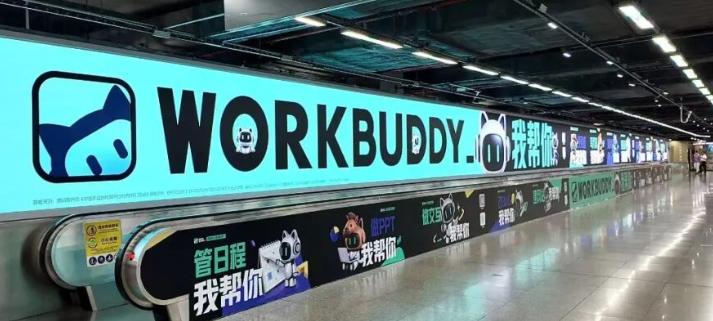
一时间,机场、地铁、电梯里到处都是AI办公的广告。打开小红书、B站,则是溢出屏幕的AI办公教程与种草。如果日常并不关注AI,看到铺天盖地的广告可能完全搞不懂发生了什么。但至少大家都会产生这样的第一印象:AI办公绝对是门好生意,否则大厂们不会如此密集地下场,不会投入如此多的资源。
但事情真的如此吗?我想要泼点冷水:梳理AI办公热潮的来源,会发现这是一门缺乏商业化前景的生意。大厂集体下场与其说是主动选择,不如说是被逼上牌桌。在外部趋势和内部压力的综合推动下,AI办公很可能变成一场结果让人感到绝望的背水一战。
#Tencent#WorkBuddy#Alibaba#QoderWork#Wukong#MuleRun#Qwen Office#ByteDance#Doubao Work