DeepGreen proposes underwater AI data centers in Maine and Alaska
DeepGreen Holdings filed a preliminary permit application with the Federal Energy Regulatory Commission for underwater data centers in Cook Inlet, Alaska, and the Gulf of Maine. TechSpot reports that the Cook Inlet proposal includes 66 modular compute pods and 330–350 tidal turbines, while TechRadar cites 300 turbines; a separate Maine proposal would use 50 turbines and provide 51 megawatts. The projects have not begun construction, and researchers and local communities have raised concerns about construction noise, heat, and the habitats of Cook Inlet belugas and North Atlantic right whales.
The proposal illustrates how AI infrastructure developers are exploring subsea cooling and tidal power while creating unresolved environmental, regulatory, and scale questions that go beyond earlier underwater computing pilots.
Serving tech enthusiasts for over 25 years. TechSpot means tech analysis and advice you can trust.
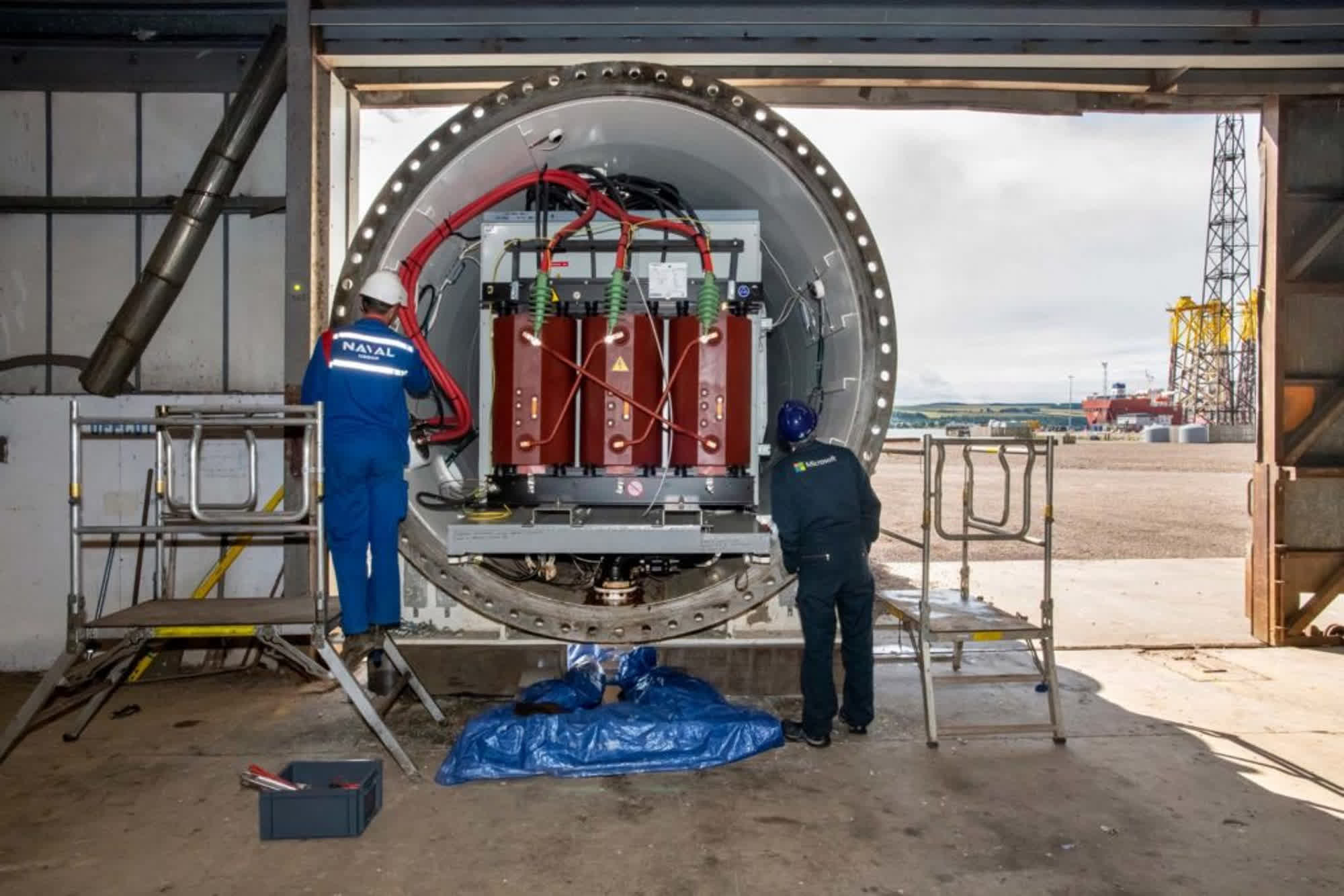
In context: Pilot projects have demonstrated that undersea data centers can operate reliably without significant heat-dissipation issues. However, underwater environments support fragile ecosystems that could be seriously disrupted by artificial computing infrastructure.
Earlier this year, DeepGreen Holdings filed a preliminary permit application with the Federal Energy Regulatory Commission (FERC). The company is seeking to develop two data center projects designed to take advantage of underwater environments, but the proposed locations overlap with habitats of two endangered whale populations. Local communities have also voiced strong opposition to the projects.
DeepGreen plans to build its facilities beneath Cook Inlet, in Alaska, and in the Gulf of Maine. The proposed Cook Inlet facility would consist of 66 modular data center "pods," powered by 330 to 350 tidal turbines. The company expects the installation to generate 100 megawatts of power, most of which would be used to run the underwater data center.