AI真能解释穿戴设备健康数据吗?
Android Authority 认为,Google Health Coach 和 Oura AI Advisor 等 AI 助手未必能让消费级穿戴设备数据具有临床意义,尽管相关应用能提供睡眠、血氧、心率变异性和血压趋势等详细信息。文章援引英国调查称,曾查看健康数据的受访成年人中有 60% 不理解其含义;作者也称,其 Oura Ring 5 和 Fitbit Air 收集的数据并未帮助医疗测试。报道指出,健康功能及其局限常未被清楚说明,还可能成为推动消费者购买或升级穿戴设备的营销手段。
Android Authority 呼吁品牌明确说明消费级健康数据能与不能证明什么,而不是依赖免责声明、模糊警报和 AI 助手来解释结果。
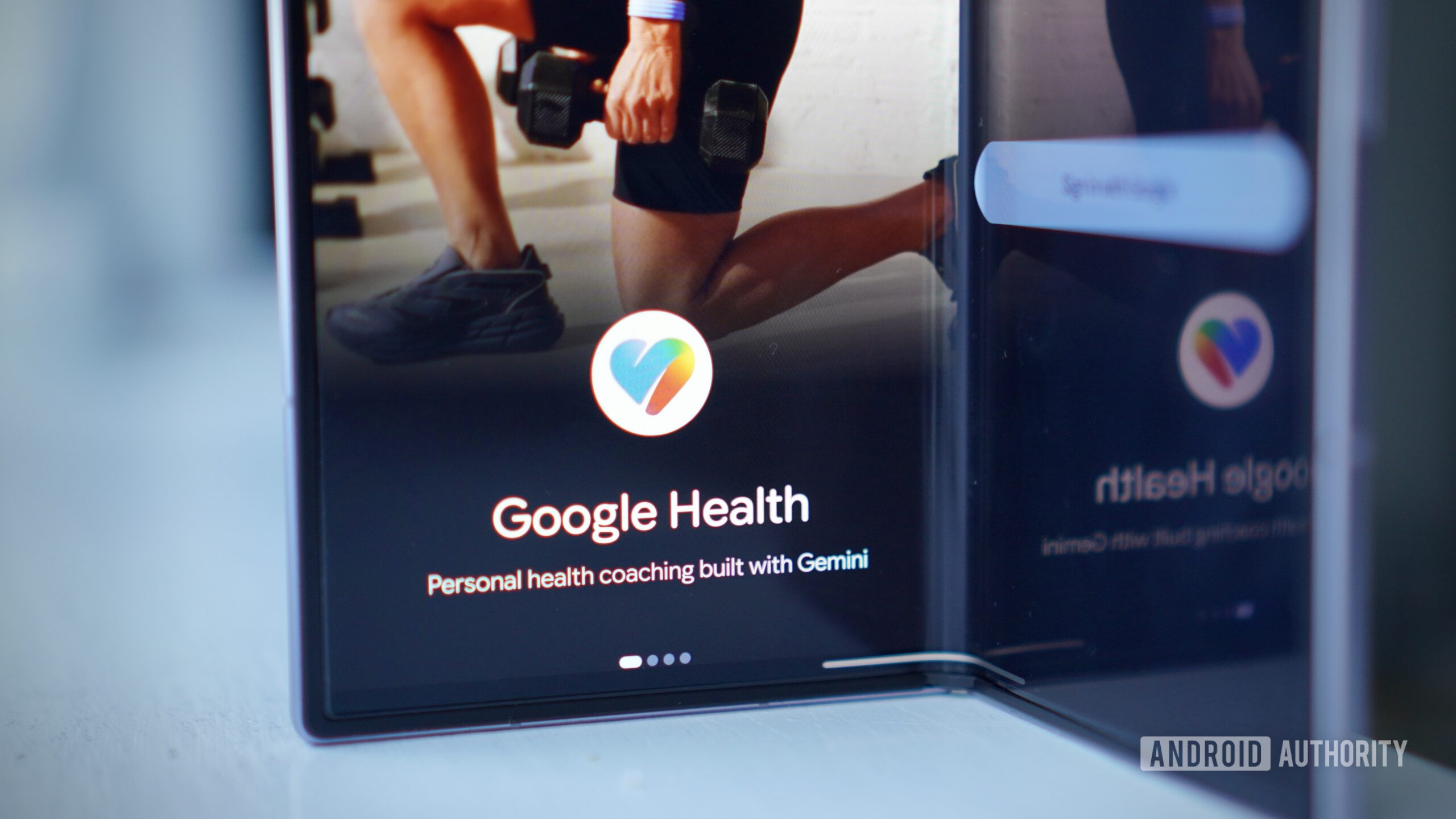
Andy Boxall / Android Authority
Add Android Authority on Google:
There’s no denying it’s important to stay informed about your health, and suites like Google’s Health Guardian can play a key role in staying ahead of any issues. However, over the past few weeks I’ve found these features can sometimes do more harm than good, and can even prove useless when talking to a professional.
As AI-driven wellness features become more common and are used as a subtle scare tactic to push us into a new purchase or an upgrade, it’s crucial we understand what we’re getting into when going all-in with modern wearable health tracking.
More in-depth tracking than ever
#Google#Google Health Guardian#Google Health Coach#Oura#Oura AI Advisor#Oura Ring 5#Fitbit#Fitbit Air#Food and Drug Administration