Canor We Trust AI to Explain Wearable Health Data?
Android Authority argues that AI assistants such as Google Health Coach and Oura AI Advisor may not make consumer wearable data clinically useful, despite providing detailed sleep, blood oxygen, heart-rate variability and blood-pressure trends. A UK poll found that 60% of surveyed adults who had viewed health data did not understand it, while the author says data from his Oura Ring 5 and Fitbit Air did not inform his medical tests. The article warns that wellness features and their limitations are not always disclosed prominently and may encourage wearable purchases or upgrades.
Android Authority says brands should clearly explain what consumer wellness data can and cannot establish, rather than relying on disclaimers, vague alerts and AI assistants to contextualize results.
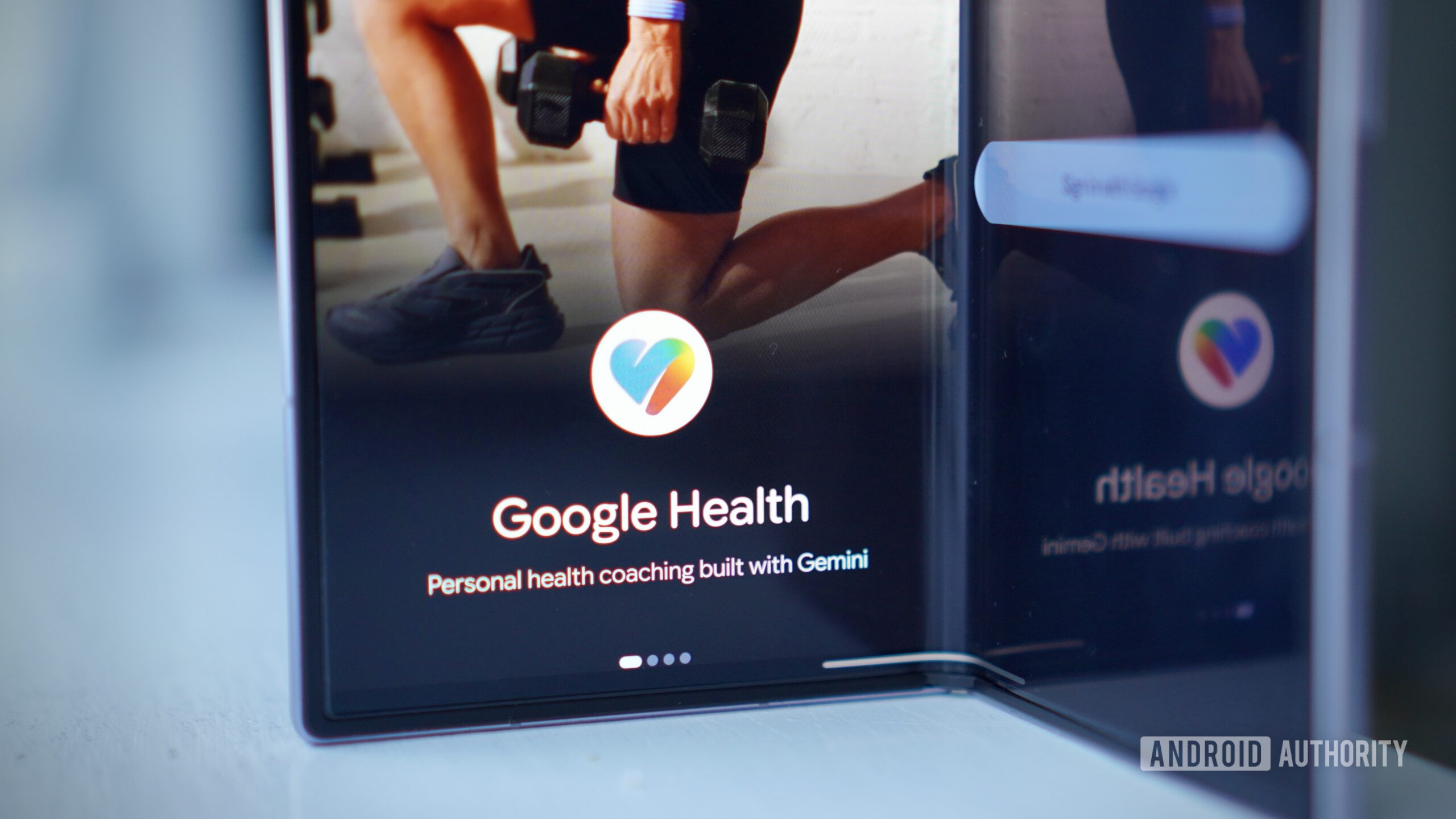
Andy Boxall / Android Authority
Add Android Authority on Google:
There’s no denying it’s important to stay informed about your health, and suites like Google’s Health Guardian can play a key role in staying ahead of any issues. However, over the past few weeks I’ve found these features can sometimes do more harm than good, and can even prove useless when talking to a professional.
As AI-driven wellness features become more common and are used as a subtle scare tactic to push us into a new purchase or an upgrade, it’s crucial we understand what we’re getting into when going all-in with modern wearable health tracking.
More in-depth tracking than ever
#Google#Google Health Guardian#Google Health Coach#Oura#Oura AI Advisor#Oura Ring 5#Fitbit#Fitbit Air#Food and Drug Administration