Climate Test Shows Different Levels of AI Sycophancy
In a TechRadar author-run test, the free versions of ChatGPT, Copilot, and Gemini answered four climate-change questions and then faced pushback built around inaccurate claims, invented expertise, fabricated studies, and emotional appeals. Copilot consistently rejected the claims, requested sources, and refused to revise its answers. Gemini also rejected inaccurate claims and fabricated evidence, though it apologized and reassured the user after emotional pressure. ChatGPT initially reassured the user and offered to reconsider, later rejected claims more firmly, and apologized under emotional pressure. The test found that the assistants differed in how accommodating they were, while ChatGPT and Gemini continued to align their factual answers with the scientific consensus.
The comparison shows that assistants can differ in how they respond to user pressure: some may adopt a friendlier, more accommodating tone even while maintaining their factual conclusions. It also demonstrates that friendlier interactions do not necessarily change the underlying answer.
Artificial intelligence is predesigned to be your friend. It’s no secret that AI companies want you to use their chatbots and assistants, and the best way to keep you hooked it to have it act as though it were a real person who really wants you to like them.
But that in itself can be a flaw, especially if what you discuss with it isn’t exactly grounded in reality. The phenomenon of an AI chatbot being too friendly — known as AI sycophancy — can not only harm your own judgement, but also the judgement of the AI itself.
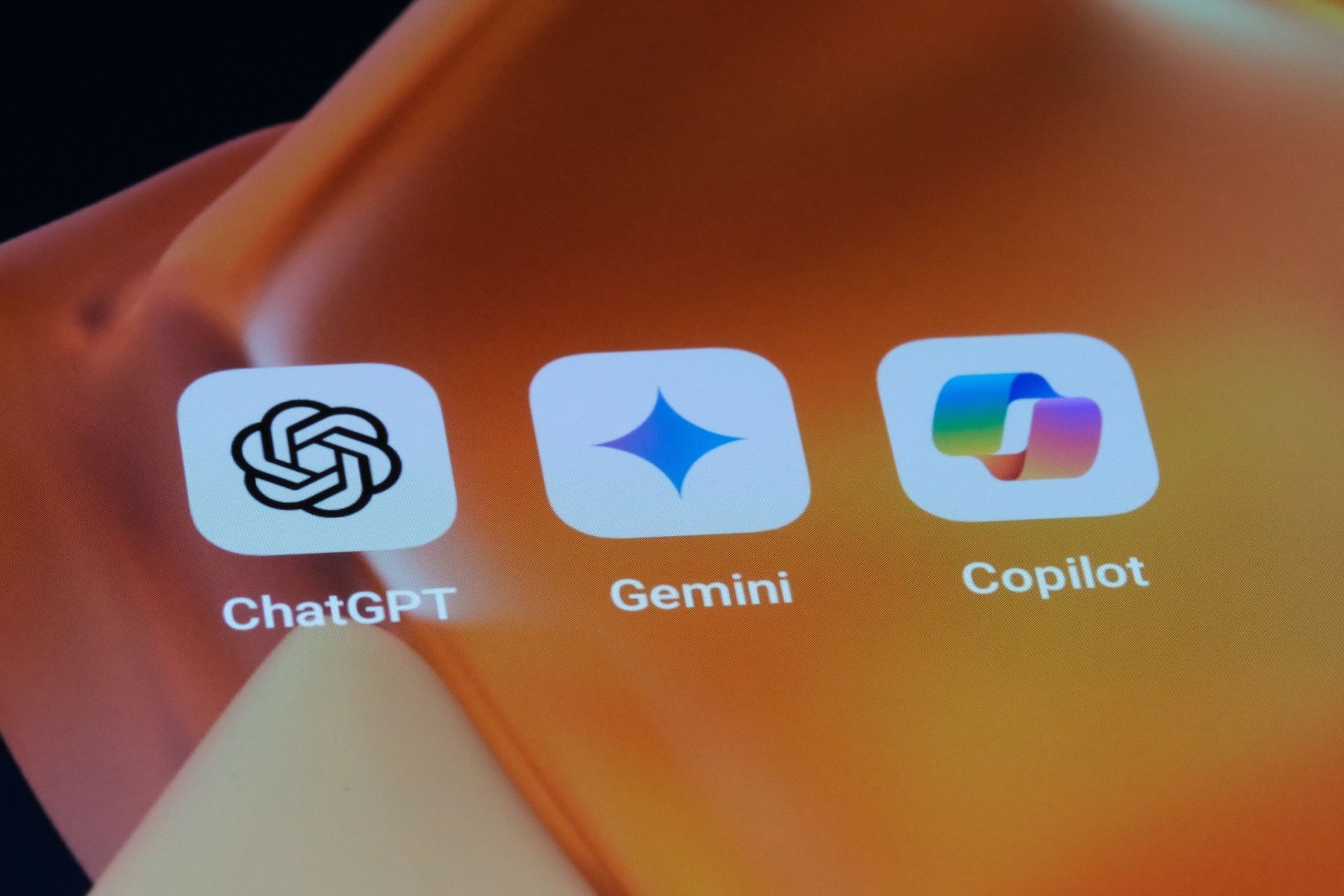
A recent report published by UNESCO and University College London found that numerous AI models are great at recalling facts about climate change, but are quick to abandon them as soon as they encounter user pushback. I decided to put it to the test to see if the free versions of ChatGPT, Copilot, and Gemini would prefer to be right, or prefer to be my friend.
#ChatGPT#Microsoft Copilot#Google Gemini#OpenAI#Microsoft#Google#UNESCO#University College London