AI Infrastructure Is a Chain of Physical Constraints
An analysis syndicated by 36Kr and 创业邦 argues that AI expansion depends on more than electricity, linking it to power generation, grids, transformers, cooling, memory, packaging, capital and local permitting. It cites the International Energy Agency’s April 2026 report for rising infrastructure spending and data-center electricity demand, while noting that fast-evolving chips and data centers face slower grid and equipment timelines. The analysis also describes constraints shifting from GPUs to HBM and advanced packaging, then to transformers, gas turbines and grid connections.
The analysis frames AI infrastructure as a system whose effective output depends on the slowest component across energy, hardware, financing and permitting, rather than on GPU availability alone.
一个冰箱大小的服务器机柜,重量超过一辆皮卡;到 2027 年,它的峰值功率将相当于 65 户家庭同时用电;为了不让它烧掉,每个机柜需要排出的热量相当于 30 台燃气锅炉。
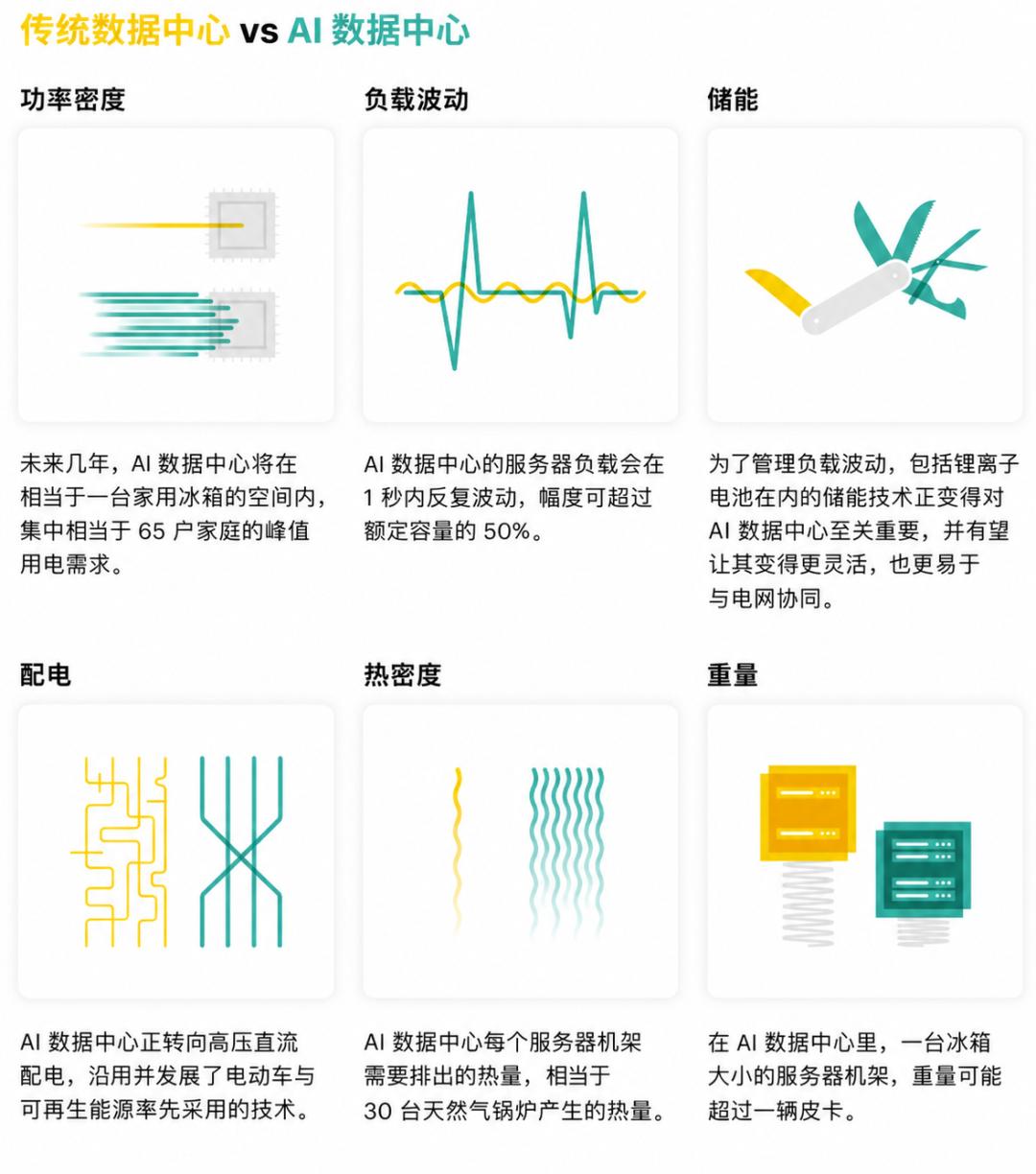
这个看似科幻的论述其实是国际能源署(IEA)在 2026 年 4 月的报告里对下一代 AI 数据中心的描述。这份报告给出了另一组数字:2025 年,五家科技巨头的资本开支超过 4000 亿美元,2026 年还要再涨 75%,这笔钱已经超过全球油气开采的年度投资总额。
过去两年,「算力的尽头是电力」几乎成了行业共识。这句话没错,但只说对了一半。电当然是必要条件,可真正卡住 AI 扩张的,往往不只是「有没有电」,更是一整条由发电、电网、变压器、散热、存储、封装和资本串起来的链条,以及链条上每一环截然不同的建设速度。
#International Energy Agency#Epoch AI#NVIDIA#Vera Rubin NVL72#GE Vernova#Google#SpaceX#OpenAI#Stargate#Microsoft#Meta#Amazon