MIT's HugAgent tests whether AI 'digital twins' can predict people in new scenarios
Researchers at MIT and other institutions propose HugAgent, a benchmark that uses interviews with 54 real participants to test whether large models can portray a specific person—not just restate current views but predict how that person would answer previously unseen hypothetical scenarios on universal healthcare, public surveillance and housing densification, across 1,742 evaluation items; the paper was accepted as an EMNLP 2026 Main Oral. Models did best at inferring a person's current beliefs (top accuracy 77.56%; GPT-4o 74.66%, against an 84.84% two-week self-consistency ceiling), while on the belief-dynamics update task the best result was 68.61% (Claude Sonnet 4.5), then LLaMA 3.3 70B at 67.57% and GPT-4o at 63.11%, against an 85.66% human ceiling. Personal interviews clearly helped prediction (GPT-4o rose from 39.83% to 63.11%), but adding more interview rounds did not consistently improve forecasts for new situations.
It shows that piling up interview data about a person does not by itself make a model a reliable stand-in for them in unfamiliar situations—a key limitation for synthetic respondents and personalized agents.
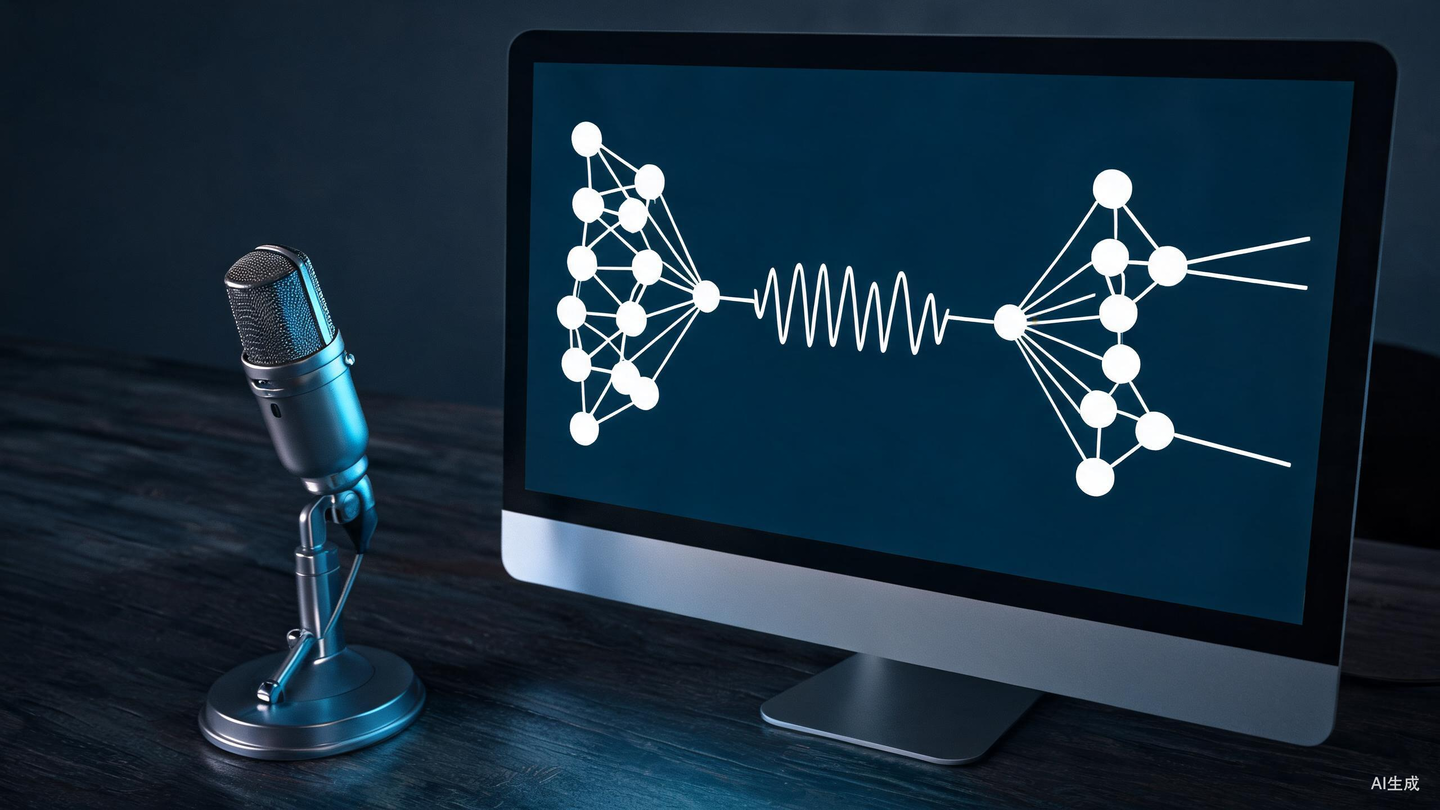
只要和一个人聊得足够久,大模型就能成为他的「数字分身」吗?从虚拟用户、合成受访者,到个性化AI Agent,一条越来越流行的技术路线是:先通过访谈、问卷和个人资料了解一个真实的人,再让大模型扮演这个人,预测他在没见过的问题上会如何回答。但这里有一个更难的问题:AI即使已经学会了你现在怎么想,换一个此前没问过的......
本文来自微信公众号: 新智元 ,编辑:LRST,作者:新智元,原文标题:《EMNLP'26 Oral | 麻省理工:靠访谈让AI模拟真人,这条路能走多远?》
只要和一个人聊得足够久,大模型就能成为他的「数字分身」吗?
从虚拟用户、合成受访者,到个性化AI Agent,一条越来越流行的技术路线是:先通过访谈、问卷和个人资料了解一个真实的人,再让大模型扮演这个人,预测他在没见过的问题上会如何回答。
#MIT#HugAgent#TraceYourThinking#GPT-4o#Claude Sonnet 4.5#LLaMA 3.3 70B#Qwen2.5-32B#EMNLP 2026#Gemini#DeepSeek