Biotech reshapes perfume supply chains, but AI cannot fully replicate nature
The perfume industry is turning to AI to predict molecular scents and to cell culture to produce rare ingredients, aiming to avoid repeated harvesting of endangered plants, according to a Guardian report covered by TechNews. Osmo, spun out of Google Brain and having raised US$130 million, trained its AI on more than 5 million human smell responses; founder Alex Wiltschko said the company recreated the scent of a rare tree from a finger-sized piece of bark. BioHarvest Sciences said it has established a stable cell culture for an endangered Southeast Asian fragrance plant and announced an agreement expected to yield 20 metric tons of fragrance compounds, with small-scale production as early as 2027. Critics push back: natural perfumer Mandy Aftel calls the conservation framing greenwashing, Rhian Smith of Royal Botanic Gardens, Kew says AI-designed oud substitutes will not fully relieve pressure on wild plants, and Wiltschko himself acknowledges conservation is not an explicit priority for Osmo.
If AI scent prediction and cell culture mature, they could ease harvesting pressure on some endangered plant ingredients, though whether substitutes change demand and conservation outcomes remains unclear.

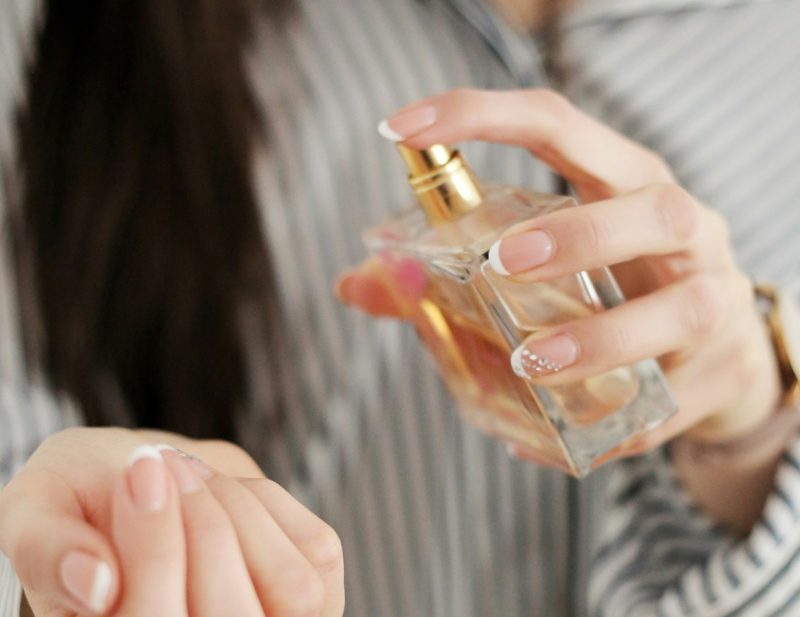
香水產業開始用 AI 預測分子氣味、以細胞培養生產稀有香料,業者稱可望不再反覆採集瀕危植物;但保育人士與調香師認為,做出替代品不等於保護了植物。
《衛報》報導,許多昂貴香水的原料來自受傷的樹木:部分沉香屬(Aquilaria)樹木受損後會分泌深色芳香樹脂,即沉香(oudh),因價值極高,野生樹木遭非法砍伐,族群受到重創。如今科學家與生技公司表示,相關技術進展可望讓香水產業在不反覆採集的情況下,重現瀕危植物的氣味與化合物。
#Osmo#BioHarvest Sciences#Google Brain#Royal Botanic Gardens, Kew#Future Society#Alex Wiltschko#Mandy Aftel