AI-generated logging reportedly slowed a Google Forms welcome screen to 15 seconds
A first-person engineering account says AI-generated code for a Google Forms addon sequentially attempted to retrieve a user's email and user ID through multiple Google API calls before rendering the welcome screen. The author reports that this made the welcome screen take 15 seconds to load and argues that developers should define architecture, constrain coding tools, and review generated code.
The account illustrates how AI-generated implementation choices can introduce unrequested performance and maintainability tradeoffs when developers delegate more than coding work.
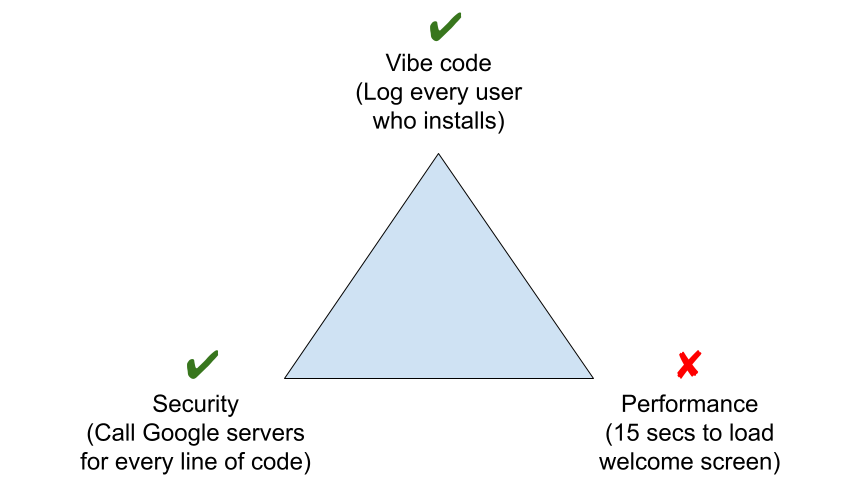
Yesterday, I was debugging a performance problem with our Google Forms addon. It turned out my colleague had vibe coded the logging part, so that he could monitor the new installs every week. Monitoring new customers is the most important part of running a business, so he is absolutely right in doing that. Except, he was logging the user’s email and Google has severely restricted how much detail you can get about the user since last December. So, AI had written a series of try/catch statements:
- First, try to get the email if the user gave consent to share it during installation.
- If it fails, it would try to fetch his user ID.
- If that fails, it would log an error saying the user has installed, but we don’t know his email or user ID.