Superconducting Neural-Network Chip Completes Three Fusion Plasma Tests
Brookhaven National Laboratory, PPPL, DIII-D and Great Sky reported that their superconducting analog neural-network chip completed three tokamak plasma-control tests. Two tests used DIII-D data for anomaly classification and disruption prediction, while the third used data from Google DeepMind's TORAX simulator to predict sawtooth instability. The team said the chip could process one million samples per second in real time. Great Sky calls the architecture Superconducting Optoelectronic Networks, combining Josephson-junction superconducting circuits with integrated photonic waveguides. DIII-D said it was preparing to integrate the chip into a future experiment.
The tests demonstrate a reported application of analog neural-network hardware to real-time fusion plasma monitoring and control. PPPL director Steven Cowley said the chip's ability to keep pace with tokamak data represented substantive progress toward practical fusion power, while DIII-D director Richard Buttery said integration into a future experiment was being prepared.

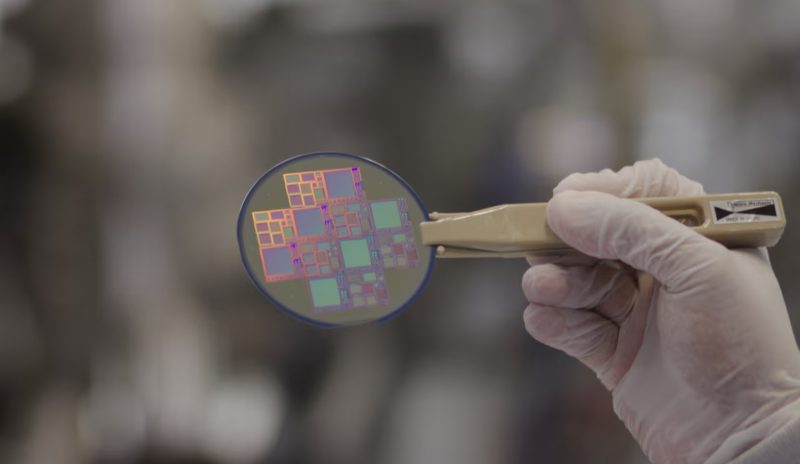
美國能源部(DOE)布魯克黑文國家實驗室(Brookhaven National Laboratory)19 日宣布,與普林斯頓電漿物理實驗室(PPPL)、DIII-D 國家核融合設施及新創公司 Great Sky 共同開發的超導類神經網路晶片,順利完成三項托卡馬克電漿控制測試,能即時處理每秒百萬筆取樣的資料,為核融合反應器的即時控制系統奠定基礎。
托卡馬克是以磁場約束高溫電漿的核融合裝置,電漿溫度高達 1 億 °C,狀態瞬息萬變,必須仰賴演算法、感測器與控制器即時監測。研究團隊指出,傳統矽晶片在如此嚴苛的環境很難跟上,因此需要全新架構的運算硬體。
#Brookhaven National Laboratory#Princeton Plasma Physics Laboratory#DIII-D#Great Sky#Google DeepMind#Superconducting Intelligence (SI) chip#Superconducting Optoelectronic Networks#TORAX