Deep learning personalizes visual-cortex stimulation in early human trial
Researchers from the University of California, Santa Barbara, ETH Zurich, and Miguel Hernández University used deep learning to personalize electrical stimulation delivered through a temporary 96-electrode array implanted in a participant's visual cortex. According to cnBeta, the optimized patterns more accurately activated targeted neural responses while requiring less current, and recorded brain activity predicted the participant's reported phosphenes better than electrode parameters alone. The paper was published in Neuron on August 7, 2026.
The work demonstrates an AI-assisted approach to adaptive neuroprosthetic stimulation, but it remains a one-participant proof of concept limited to simple phosphenes rather than restored normal vision.

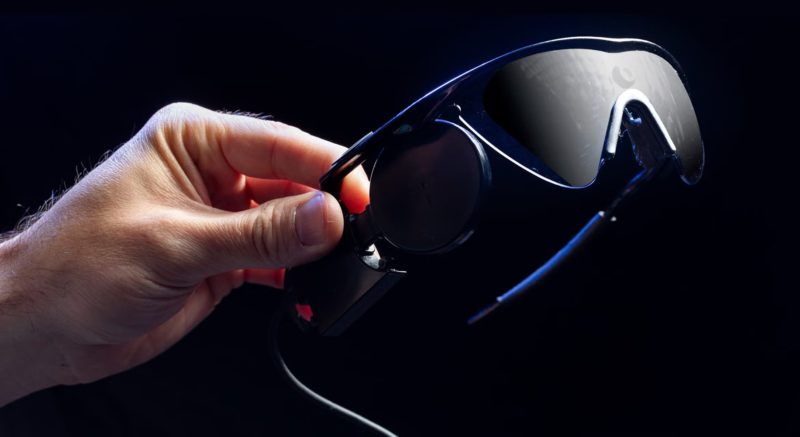
人工智慧有望讓未來的仿生眼更精準。美國加州大學聖塔芭芭拉分校(UCSB)、瑞士蘇黎世聯邦理工學院(ETH Zurich)與西班牙米格爾·埃爾南德斯大學(Miguel Hernández University,MHU),以深度學習控制視障者視覺皮質的電刺激,誘發的神經反應更準確,所需電流也更少,論文發表於《Neuron》期刊。
這類視覺輔具繞過受損的眼睛與視神經,直接刺激大腦視覺皮質,讓使用者感測光點。受試者是因創傷性腦損傷失明的27歲男性,研究員在西班牙某醫院為他植入含96個電極的臨時裝置,刺激後產生「光幻視」,也就是「感受到」而不是看到的閃光或光形。
#University of California, Santa Barbara#ETH Zurich#Miguel Hernández University