AMD and Intel unify PyTorch CPU acceleration through oneDNN
AMD and Intel will consolidate their x86 CPU optimizations for PyTorch into the open-source oneDNN library, creating a single software path for AI inference across their processors. AMD is moving its downstream ZenDNN optimizations into oneDNN and joining the UXL Foundation as a steering member with a reported annual contribution of $20,000. Intel said the unified approach can also provide a route for future capabilities such as AI Compute Extensions, while Tom’s Hardware notes that oneDNN supports Arm and RISC-V as well as x86.
A shared oneDNN backend could reduce the need for processor-specific PyTorch tuning and maintenance across AMD and Intel x86 systems.
Intel and AMD are integrating their CPU optimizations for PyTorch into a unified library, offering tuning for both AMD and Intel chips through the oneDNN library. AMD has maintained a downstream version of oneDNN called ZenDNN, which is now moving into the open-source oneDNN, published by the UXL Foundation and driven by Intel. AMD also announced it's joining the UXL Foundation as a "steering member," which "influences the future of the UXL Foundation" in exchange for a contribution of $20,000 per year.
Go deeper with TH Premium: AI and data centers
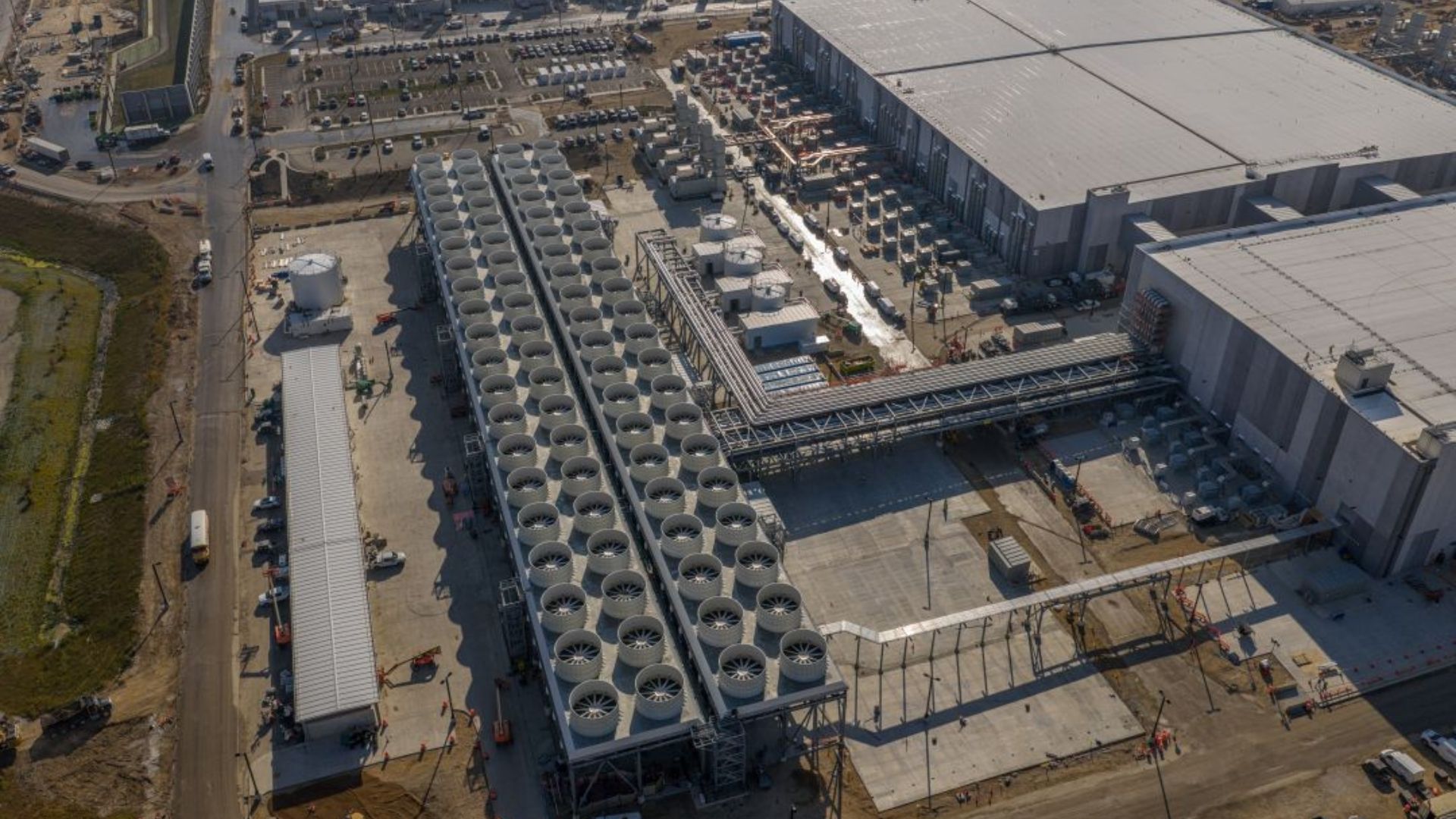
- The data center cooling state of play
- The custom AI ASIC state of play
- America’s AI chip rules keep changing — and the rest of the world is paying the price
- GTC 2026: Ian Buck press Q&A transcript — VP of Hyperscale and HPC speaks out on shelving CPX and shipping LPU decode this year
- Demand for data center CPUs has surged, and AI agents are responsible
#AMD#Intel#PyTorch#oneDNN#ZenDNN#UXL Foundation#x86 Ecosystem Advisory Group#AI Compute Extensions#Red Hat