OpenRouter Launches Multilingual Beta and Self-Correcting Localization
OpenRouter launched a beta adding Simplified Chinese, Spanish, Brazilian Portuguese, German, French, Japanese, and Korean alongside English. Its daily localization pipeline uses GPT-6.1 Sol to translate changed strings, validates them in code, and retries translations rejected by a second verification call. Users can switch languages through the account menu or localized OpenRouter addresses.
OpenRouter Blog describes a concrete system for keeping a frequently changing AI product interface translated, combining model-generated translations, code checks, semantic verification, and human review.
How We Built a Self-Correcting Localization System for OpenRouter
Robert Sun ·11/12/2026
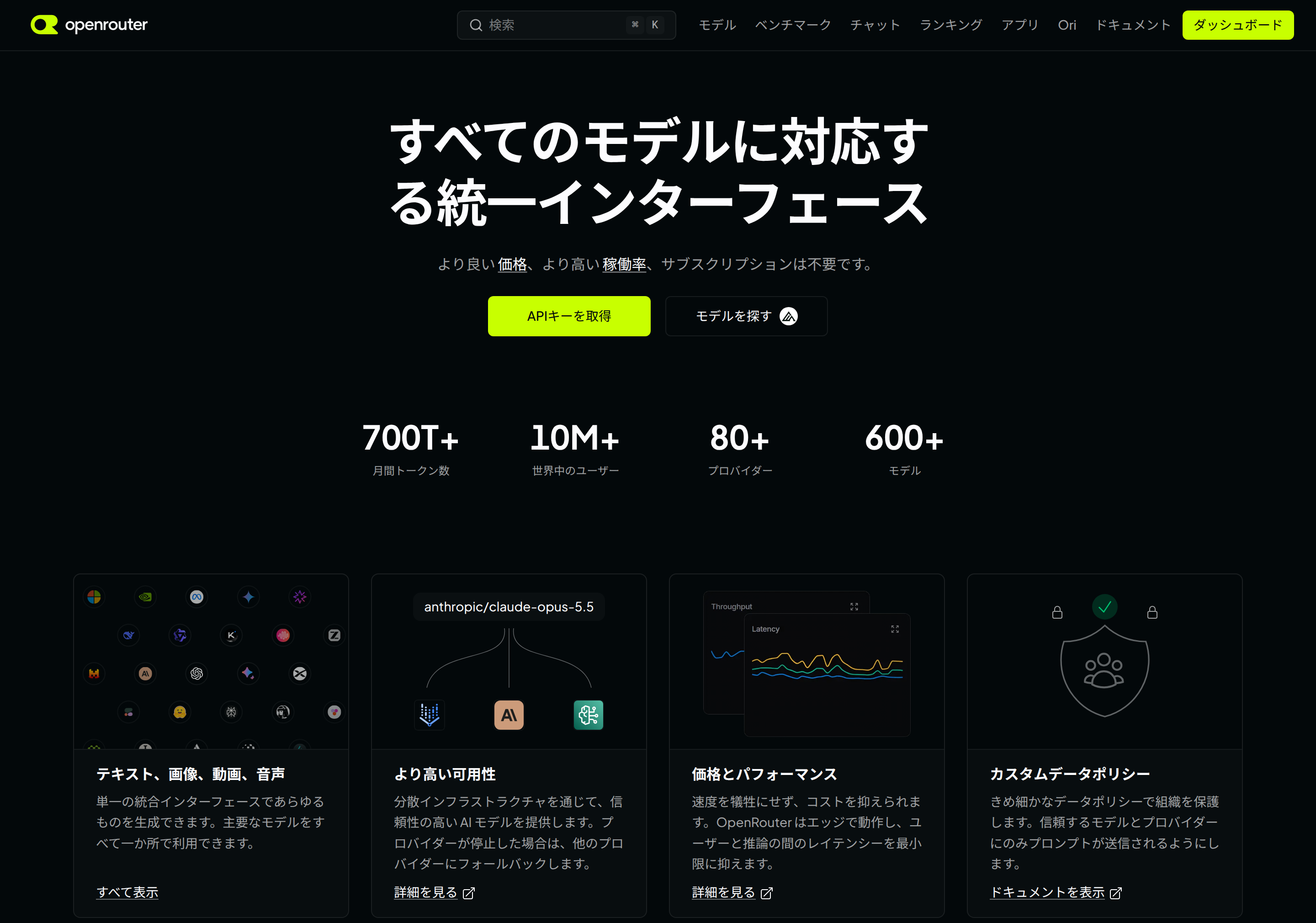
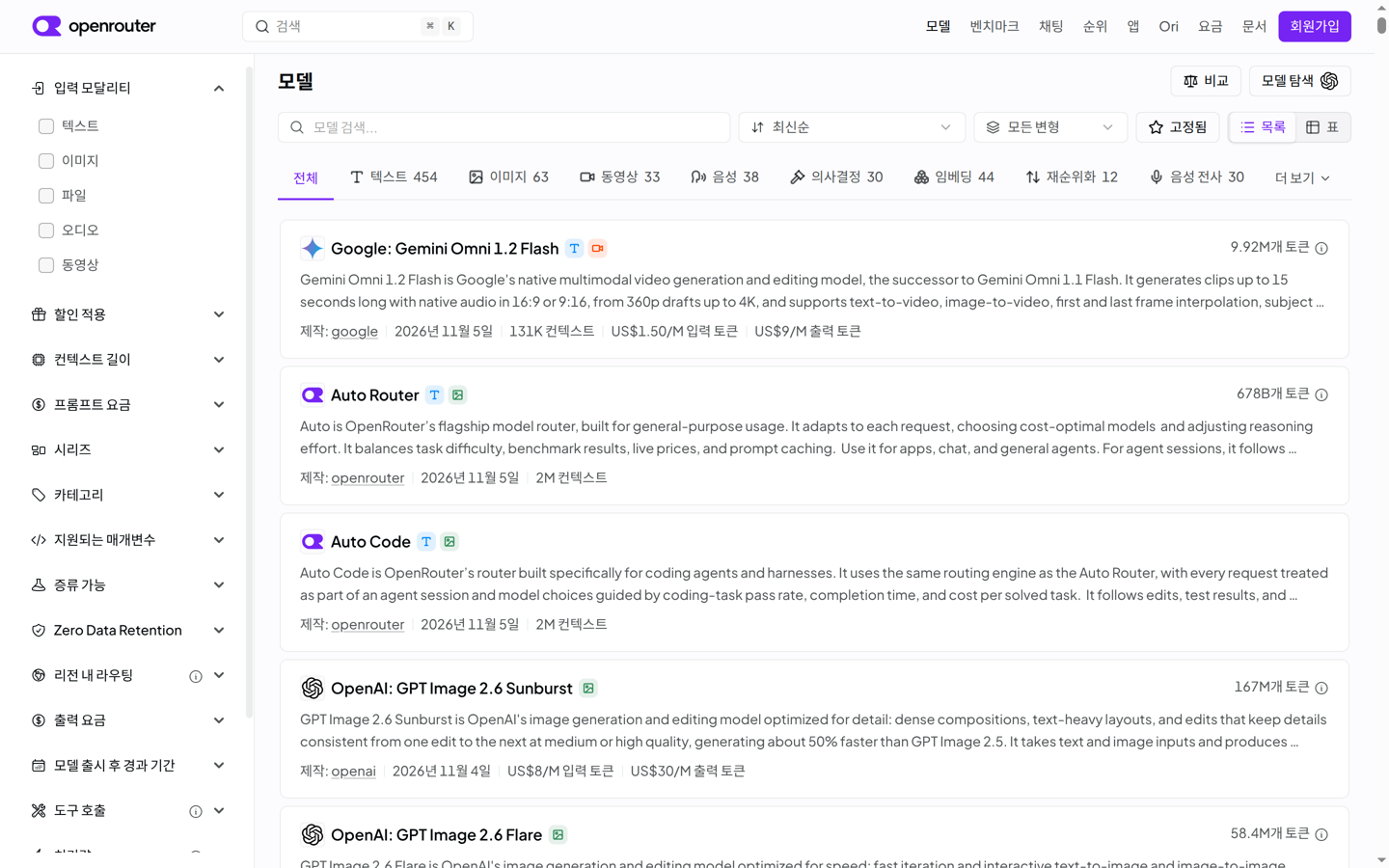
OpenRouter now speaks 简体中文, Español, Português (Brasil), Deutsch, Français, 日本語, and 한국어, alongside English. Localization is in beta, starting today. To switch, pick a language from the account menu, or go straight to an address like openrouter.ai/ja or openrouter.ai/ko/models.
Translating a website and keeping that translation up-to-date is hard, especially true for us. OpenRouter’s site has 16,918 English strings, and we change some of them every day, so a one-time translation would be out of date within a week. We built a loop to help us do this at scale. Every day, it finds the strings that changed, translates them, checks them in code, and has a second model verify the meaning against the English. When a translation fails a check, or the verifier rejects it, the loop sends it back with the reason attached and tries again. That retry loop is the part of the system that corrects itself.