A User Describes Grok and ChatGPT as Primitive Next-Generation Browsers
A user says they now mainly browse X through a Grok bot and use the ChatGPT app to access the web, describing both as still-primitive examples of a “next generation” of browsers. The user says newsletters remain part of their workflow and labels this approach “Agentic digital minimalism.” They speculate that delegating browsing to AI could increase software distribution costs and reduce friction within SpaceX and Google products, making traffic monetization more difficult.
The post provides an anecdotal example of AI tools serving as browsing layers while offering the author’s speculation about how such delegation could affect software distribution costs, user friction and traffic monetization for SpaceX and Google.
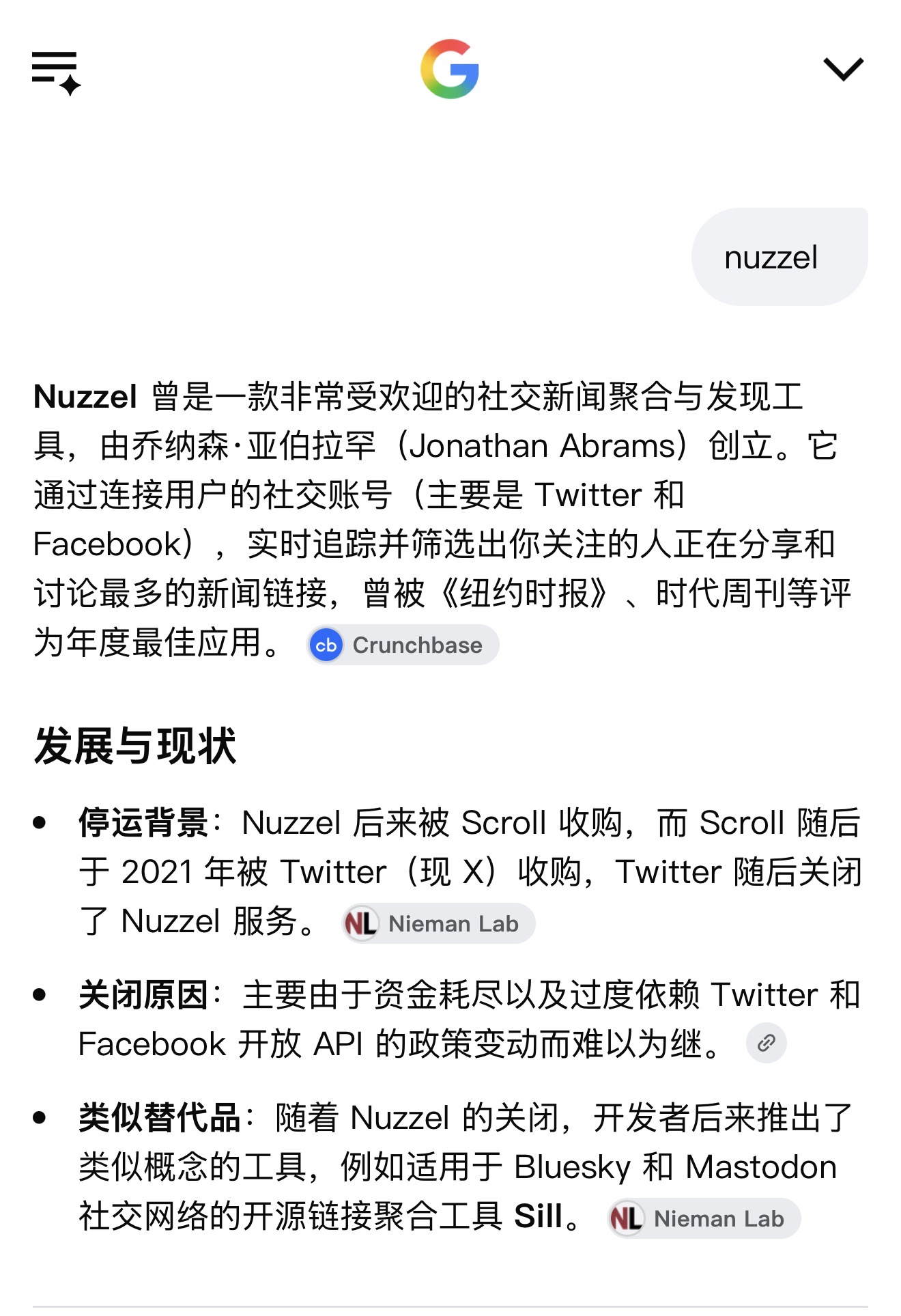
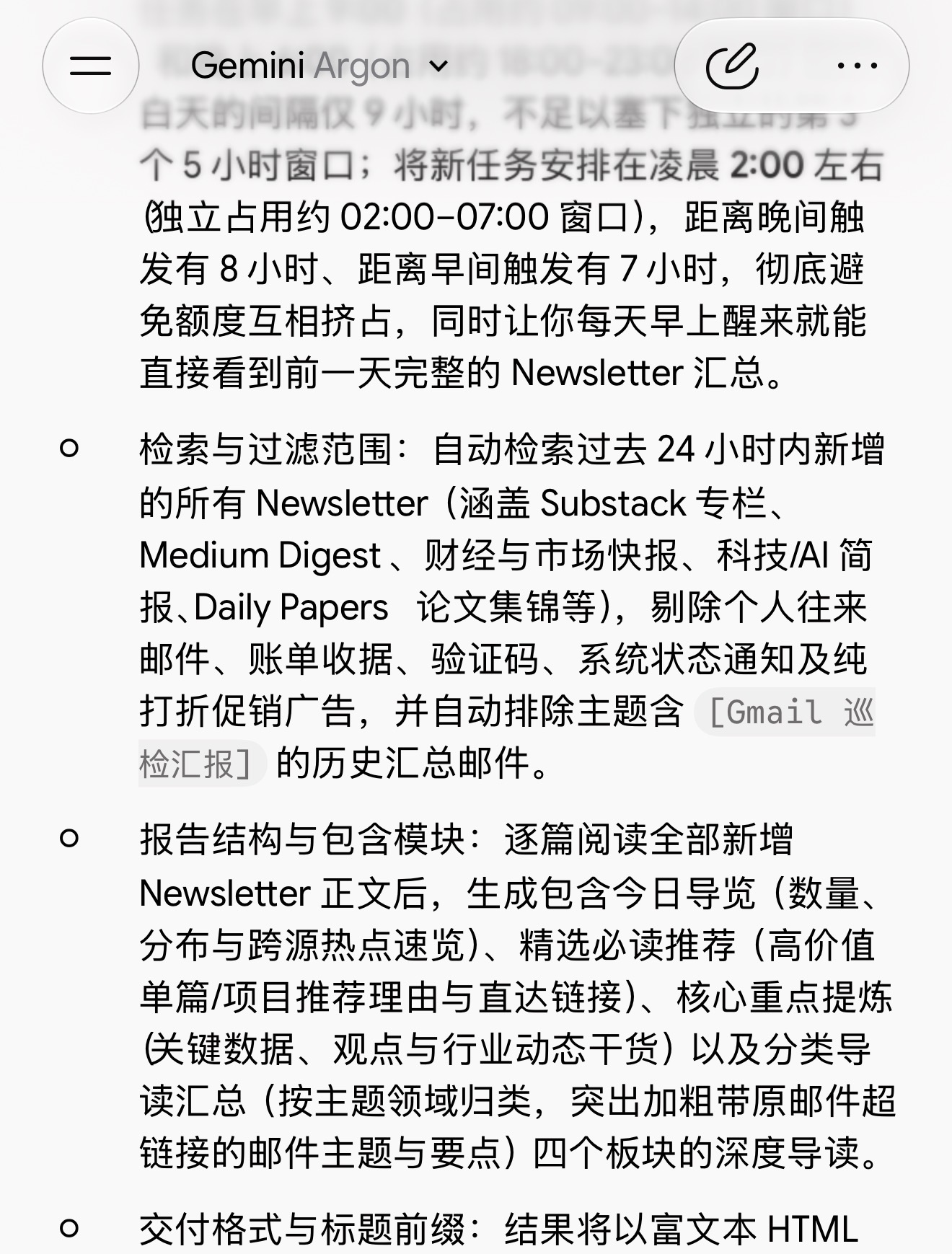
我现在主要通过grok bot「刷」X,就像我主要通过ChatGPT app「上网」,这些都相当于新一代的「浏览器」(虽然还很原始) 很早以前(Twitter被Musk收购之前),我刷Twitter的方式本来已经进化到通过Nuzzel了(图2。传统社交推荐算法),后来Nuzzel被X收购,变成付费用户功能,不受重视,逐渐下线了 当时我「上网」的方式也进化成了看newsletter为主(相当于各个真人curator人工做现在AI做的事情),当时我还准备做这方面的「浏览器」产品 这些newsletter现在也还没淘汰,图3是我目前的用法,再套一层娃 以上可称作「Agentic digital minimalism」 这种类似古雅典哲人生活方式的「建立在他人代劳基础上的极简主义上网方式」对用户来说很好,而对SpaceX和Google来说,会既增加它们的「软件分发成本」,也减少用户在它们软件中的「摩擦」(社交互动、广告投放本质都是软件使用过程中的摩擦和中间环节,以前更容易靠这些摩擦来把流量货币化),让它们原有的「生意」变得没以前那么好(还好SpaceX以前的生意本来也不好,起点低,不像Google那样受伤)