Musk Proposes Radiator Cooling for SpaceX AI Satellites
Responding to concerns about cooling AI data-center satellites in space, Elon Musk said an aluminum radiator pointed away from the Sun could dissipate about 1,300 W/m² through radiation, with orientation and material central to the design. He estimated that solar panels producing roughly 250 W/m² would require about five times the radiator area and that most satellite mass would come from the panels. These figures are Musk’s estimates; the supplied reports provide no in-orbit measured result for the proposed design.
Musk’s response addresses the thermal design of SpaceX’s reported plan for up to one million data-center satellites. The reported heat-dissipation figure remains an unverified performance claim rather than an in-orbit result.

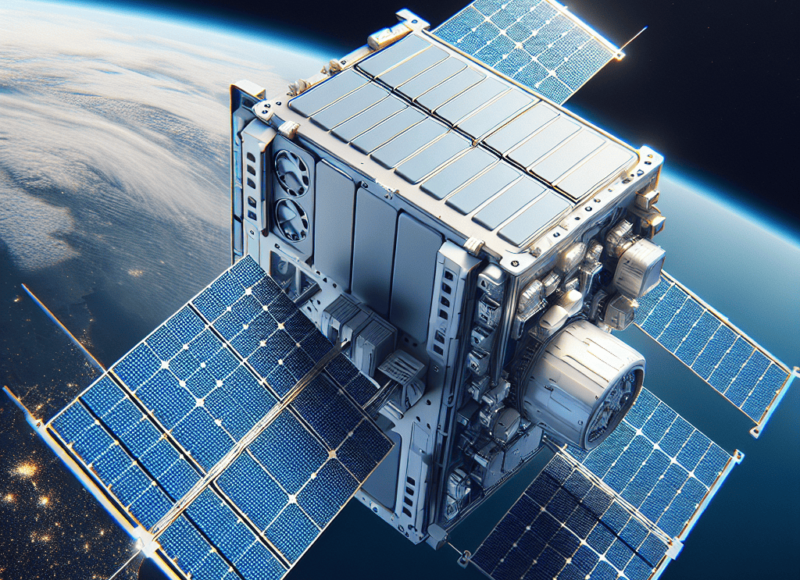
SpaceX 執行長馬斯克(Elon Musk)11 月 3 日再度為旗下太空 AI 衛星構想背書,針對外界質疑在真空環境中如何替高功耗運算設備散熱,他強調,關鍵在於散熱器的角度與材質設計,而不是依賴地面常見的風扇或水冷系統。
馬斯克表示,若使用朝向遠離太陽方向的鋁製散熱器,每平方公尺可透過輻射排出約 1,300 瓦熱量,因為此時設備主要面對的是接近絕對零度的宇宙背景輻射。他同時指出,太陽能板每平方公尺約只能產生 250 瓦電力,因此衛星所需的太陽能板面積,預料將是散熱器的約 5 倍,且衛星的大部分重量也會來自太陽能板。