US AI Investment Boom Has Not Produced a Manufacturing Rebound
A commentary compiled by the WeChat account Digital Economy Development Review, based on an ITIF analysis of a Jefferies report, argues that the US investment wave since the 2022 CHIPS Act reflects construction of computing capacity, digital infrastructure and power systems rather than a broad manufacturing rebound. Analysts cited in the report estimated AI-related investment could reach about $600 billion this year, around 2% of GDP. Yet manufacturing industrial production was nearly flat, capacity utilization stood at 75.7%, and capital-goods imports reached a record $140.3 billion in July, with computers and semiconductors leading the increase.
The analysis says assessing manufacturing reshoring requires evidence of expanding domestic output, capacity and import substitution, rather than capital spending alone. It also highlights the supply-chain and industrial-policy implications of the gap between AI infrastructure investment and a broad manufacturing revival.
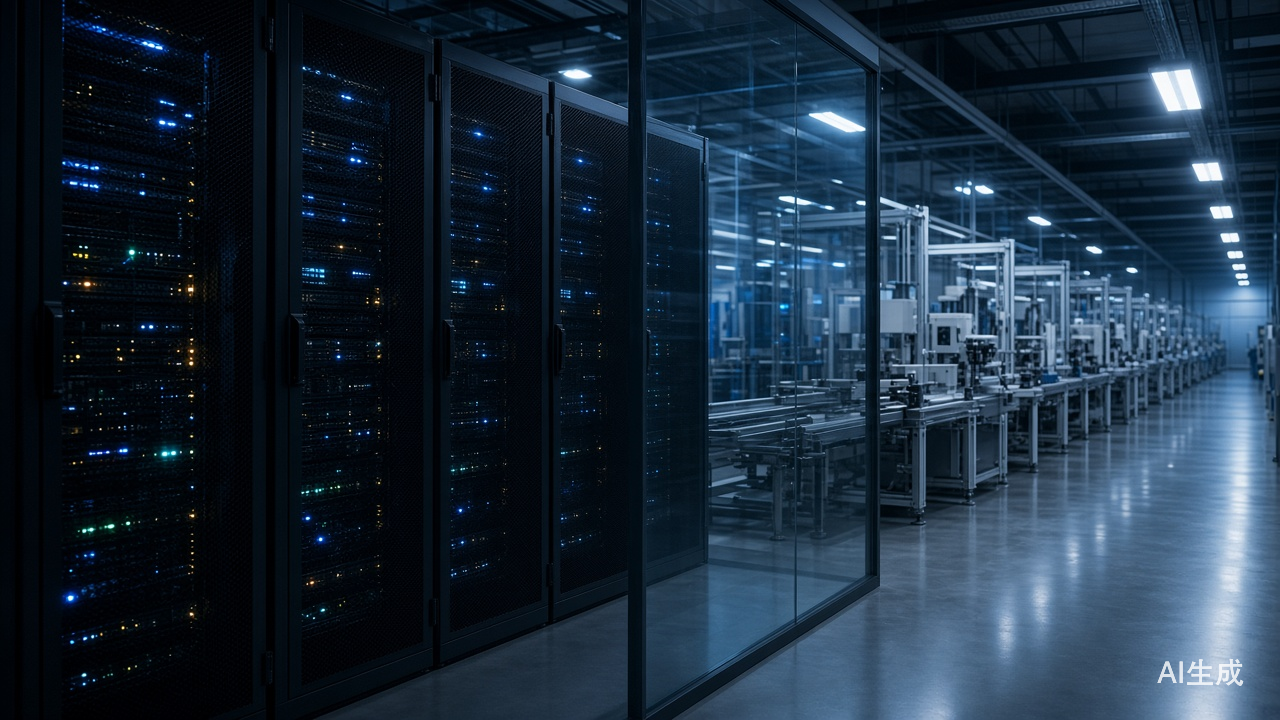
导语AI、半导体与数据中心投资持续升温,是否意味着美国制造业正在强势回归?自2022年《芯片与科学法案》实施以来,美国制造业投资大幅增长,但投资热潮背后,制造业产出和就业并未同步走强。这场看似声势浩大的再工业化,究竟有多少真正转化为本土制造能力?信息技术与创新基金会(ITIF)总裁Robert D.Atkin......
本文来自微信公众号: 数字经济发展评论 ,作者:数字经济发展评论
导语
AI、半导体与数据中心投资持续升温,是否意味着美国制造业正在强势回归?自2022年《芯片与科学法案》实施以来,美国制造业投资大幅增长,但投资热潮背后,制造业产出和就业并未同步走强。这场看似声势浩大的再工业化,究竟有多少真正转化为本土制造能力?
#Information Technology and Innovation Foundation#Jefferies#CHIPS Act#USGS