Who pays for AI medical imaging? China's two routes hit a reimbursement wall
Two reprinted versions of the same analysis compare China's two routes for AI radiology: a disease-specific, clearance-heavy path represented by Shukun Technology (about RMB 560M revenue in 2025 and more than 70% gross margin) and United Imaging Intelligence (23 NMPA Class III clearances), versus Alibaba DAMO Academy's RADAR, a general model that flags 146 conditions across 18 organs on abdominal contrast CT, with an average AUC of 0.913 over nearly 40,000 real-world exams, open-sourced the day it appeared in Science on Sept 18. The article argues the bottleneck is payment rather than algorithms: medical insurance treats AI-assisted diagnosis as an add-on priced with the main exam and not billed separately, and 12 AI-assisted diagnosis items entered the national Class B insurance catalogue on March 31, 2026, closing off the patient-pays route. The most concrete buyers today are local finance departments, health commissions and hospitals, including a RMB 205.7M provincial 'medical AI innovation service platform' contract won by Alipay in Zhejiang and a RMB 958,000 'one-scan-multiple-screens' AI imaging purchase by a county hospital.
It reframes medical AI commercialization as a payment and procurement problem rather than an algorithmic one, a useful lens on how AI radiology actually gets deployed in China.
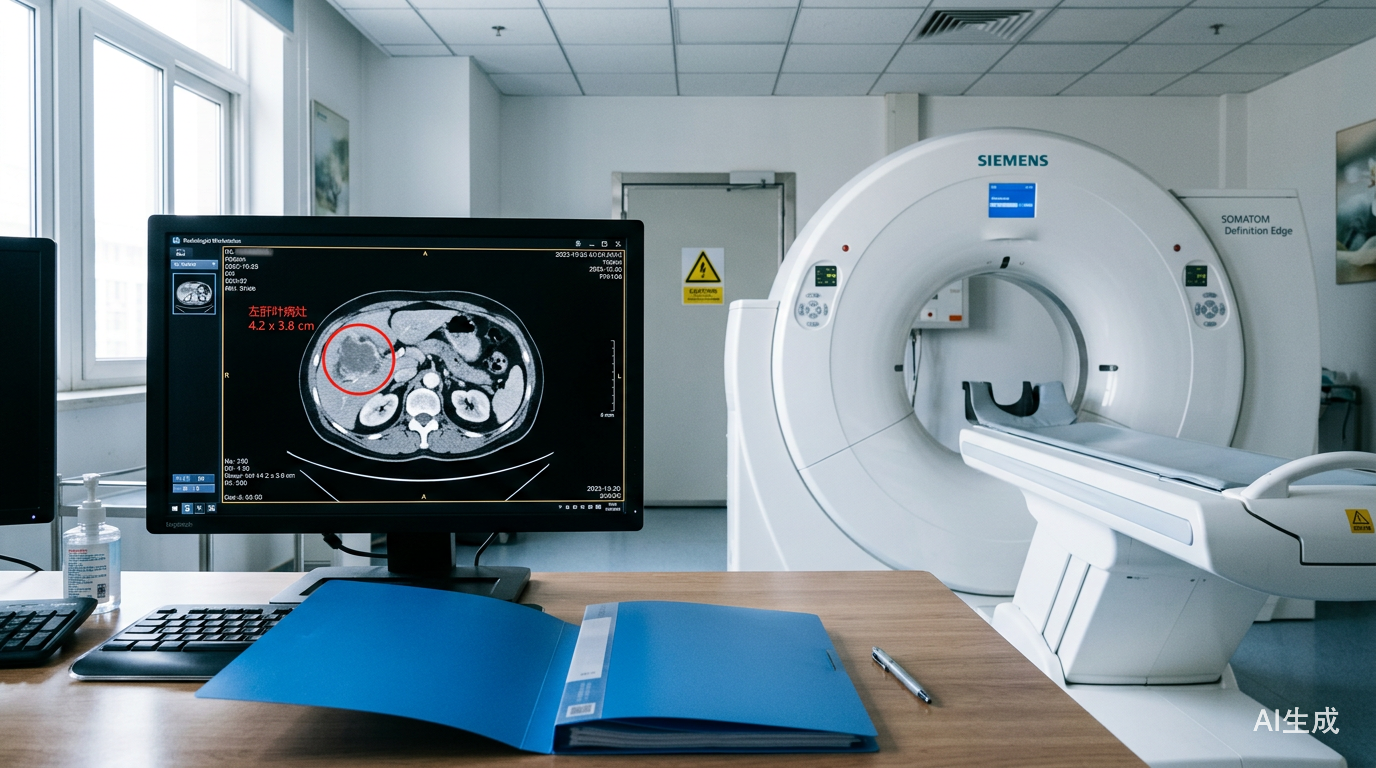
一台CT出图,肺结节、冠脉、骨折各跑一套AI;另一台跑RADAR,一次标146种病。两种工作流并列,背后是两条技术路线。但比技术路线更值得追问的,是另一个问题:这些AI读片的结果,到底谁在付钱?01专病拿证,通用开源专病路线的逻辑,是一个模型打一种病。数坤的冠脉CTA-FFR是典型样本,公司多款产品已通过美国......
本文来自微信公众号: 互联网医疗圈 ,作者:丁观,原文标题:《医疗影像走到分叉口:谁在为「AI读片」买单?》
一台CT出图,肺结节、冠脉、骨折各跑一套AI;另一台跑RADAR,一次标146种病。两种工作流并列,背后是两条技术路线。
#Alibaba DAMO Academy#RADAR#Shukun Technology#United Imaging Intelligence#NMPA#GE HealthCare#Neusoft Medical#Meinian Onehealth#Alipay#National Healthcare Security Administration