YouTube, TikTok and other platforms tighten rules to curb AI slop
TechNews roundup reports that as generative AI spreads through creative workflows, YouTube, TikTok, Substack, Pinterest, Meta, LinkedIn and Snapchat have recently adjusted rules on labeling, recommendation and monetization of AI content. The shared direction is to allow AI-assisted creation while limiting formulaic, repetitive or algorithm-gaming "AI slop." YouTube says using AI to strengthen original storytelling is not banned, but formulaic or emotionally manipulative content may lose monetization eligibility, and it continues to require disclosure of AI-generated or heavily AI-modified content; TikTok requires AI labels, adds invisible watermarks to some videos' metadata, tests detection aimed at accounts that mass-post AI slop, and lets users adjust how much AI content they see. Snapchat said Spotlight will no longer recommend or reward fully AI-generated videos, Meta is extending AI labels to AI-made ads, Pinterest and Substack offer labels and tools for readers to estimate AI use, and LinkedIn acknowledged a large volume of AI slop on its platform and said it would take limiting measures.
Platforms are separating "whether AI was used" from "whether content deserves reach and revenue," making originality and author voice the deciding factor.

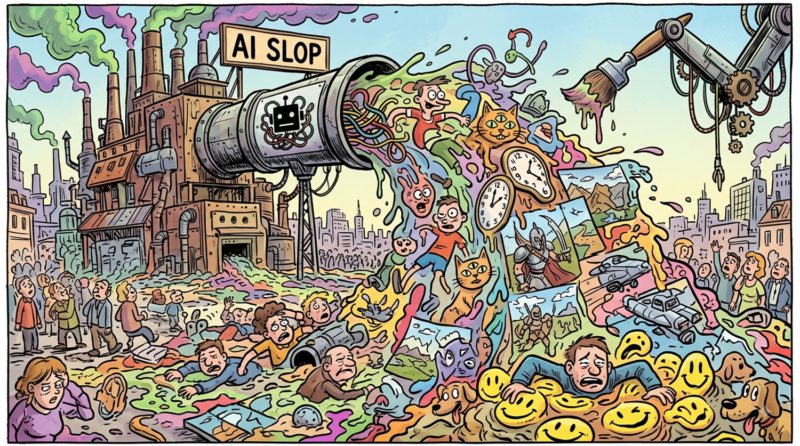
隨著生成式 AI 快速滲透創作流程,主流社群平台正加速調整規則,試圖在鼓勵創新與防堵低品質大量生成內容之間取得平衡。從 YouTube、TikTok 到 Substack、Pinterest、Meta、LinkedIn 與 Snapchat,多家平台近期都針對 AI 內容的標示、推薦與變現條件做出更新,核心方向一致:允許 AI 輔助創作,但不鼓勵缺乏原創性、重複性高或刻意規避平台機制的內容。
YouTube 近來明確區分「使用 AI」與「以 AI 大量生產內容」兩件事。平台表示,若創作者以 AI 強化原創敘事,並不會因此被禁止;但若內容屬於公式化、重複性高、情緒操弄或大量複製的形式,則可能影響變現資格。YouTube 也持續強化對 AI 生成或經 AI 大幅修改內容的標示要求,並在音樂內容上加入辨識標籤,讓觀眾能看出 AI 參與的程度。平台同時強調,標示 AI 並不等於自動獲准變現,內容仍須符合原創與品質門檻。
#YouTube#TikTok#Substack#Pinterest#Meta#LinkedIn#Snapchat#Facebook#Instagram#Threads