Baidu Launches Apollo World for Virtual Autonomous-Driving Validation
Baidu Apollo unveiled Apollo World at its AI Day event in Shenzhen, describing it as an agent-driven, multimodal world model for physical AI and autonomous driving. The system models vehicles, cyclists, and pedestrians as interactive AI agents, generates camera and lidar observations, and supports complete ride-hailing journeys from pickup to drop-off; it is already being used in Apollo Go’s global testing and validation, according to InfoQ, IT之家, and other outlets. Baidu says the model can complete about 100,000 kilometers of virtual road testing per day, but AIbase reports that it cannot fully reproduce real environments and that virtual data must be combined with real-road data.
Apollo World shifts part of autonomous-driving validation from scarce real-world testing to scalable virtual environments, although Baidu’s efficiency claims have not been independently verified.
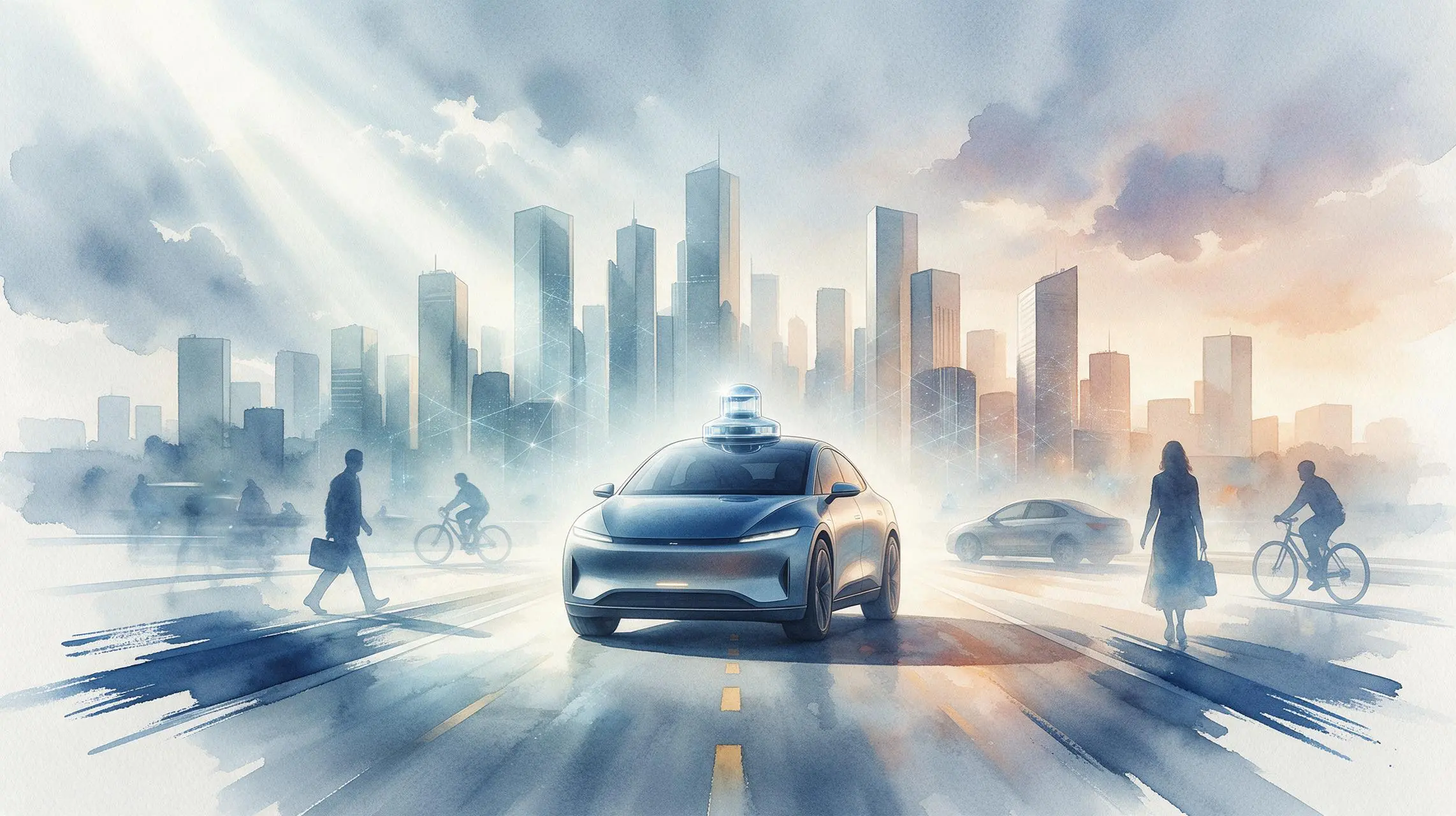
“世界模型,重点不是渲染的画质是否好看,而是模拟器是否能忠实还原现实物理规律和行为的因果”。11月3日,在深圳举行的百度AI Day·Apollo专场上,百度Apollo首次披露面向物理AI的智能体驱动全模态世界模型Apollo World,并提出世界模型“2+3”判断标准。目前,该模型已用于萝卜快跑全球化测试与验证,助力无人驾驶规模化落地。
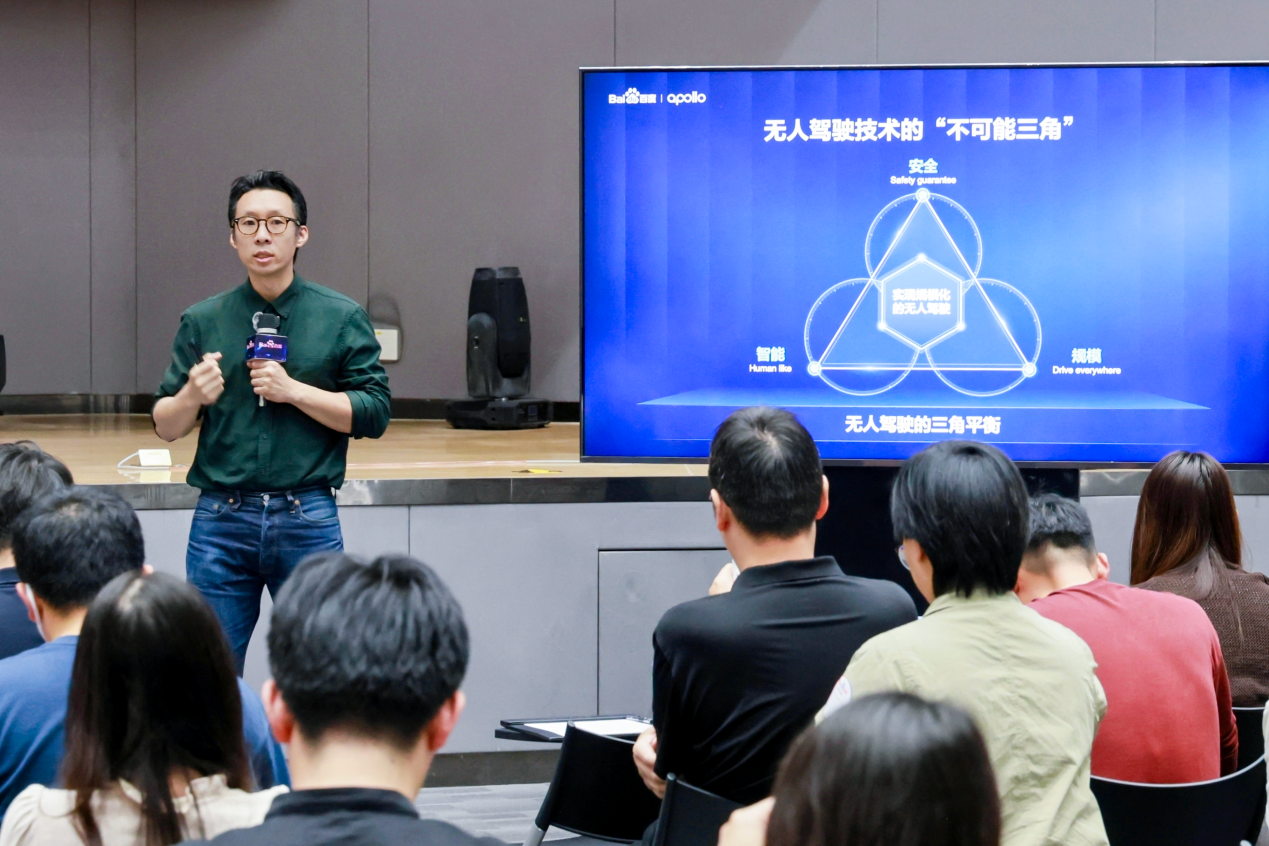
百度智能驾驶事业群组(IDG)首席架构师、IDG技术委员会主席王亮表示,世界模型不能只做“生成炫酷视频的画师”,更要成为验证无人驾驶安全性的“考官”。萝卜快跑是中国唯一以端到端技术规模化运行 L4 无人驾驶的出行平台,端到端全无人运营超百万公里,Apollo World为其提供虚拟训练环境,帮助“学生” AI Driver学习、验证和迭代。