ADP economist: AI is narrowing entry-level openings for young workers
In an interview on the Reuters Econ World podcast summarized by Huxiu AI, ADP chief economist Nela Richardson says AI's employment effects are hitting entry-level tasks first: ADP's August data show employment for young workers in highly AI-exposed occupations down 4.4% year on year, versus 2% in less exposed ones. She cites Stanford Digital Economy Lab research finding a roughly 19% relative employment gap for 22–25-year-olds in highly AI-exposed occupations as of June 2026, up from 15% in the July 2025 version — a relative trend gap, not an unemployment rate or proof of causation. She also notes AI infrastructure demand is boosting construction and related trades, with US construction job-changers seeing wage growth of nearly 14%.
If entry-level tasks are automated away, firms may save on training now but struggle to produce the experienced staff they will need later.
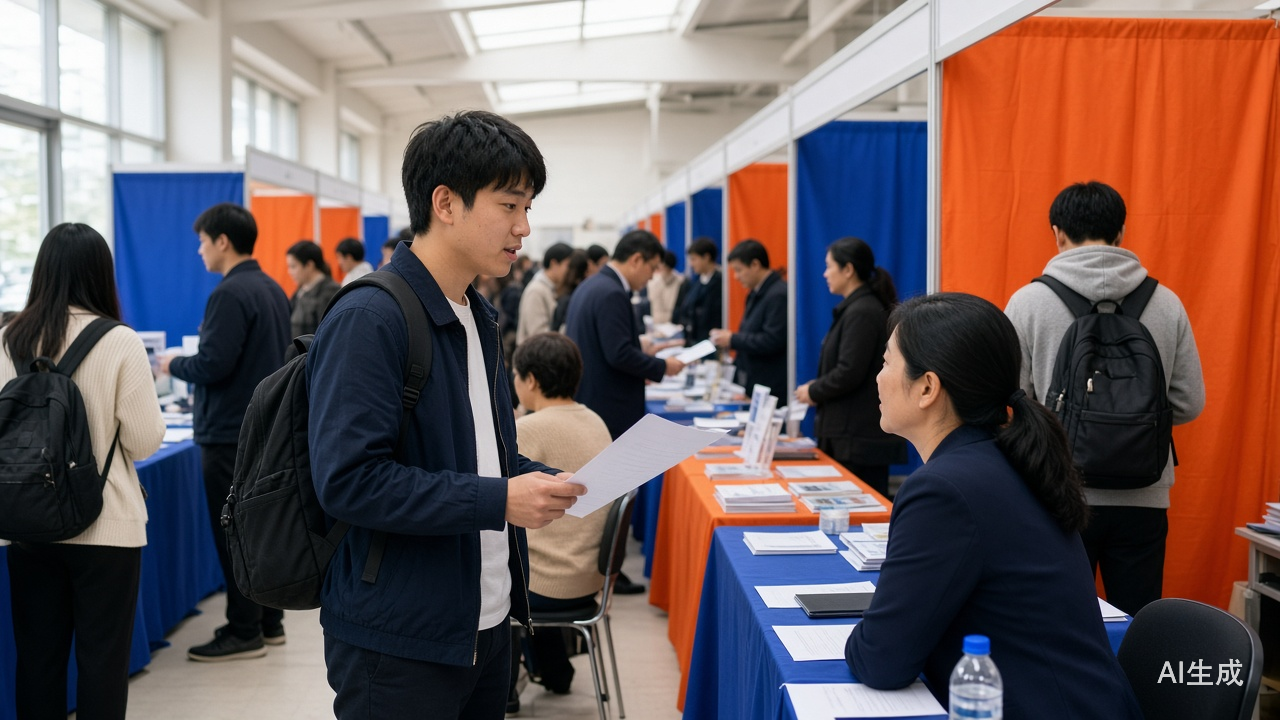
一个刚毕业的年轻人,可能正在经历另一种求职处境:他熟悉AI工具,愿意从基础工作做起,也能够接受比资深员工更低的薪水。按照过去的逻辑,这本该是企业愿意培养的新人。但如今,一部分过去交给初级员工的工作——简单代码、技术文档、常规客户咨询正逐渐能够由AI完成。与此同时,真正熟悉业务、能处理复......
关于路透社《Econ World》访谈深度编译,头图来自:AI生成
一个刚毕业的年轻人,可能正在经历另一种求职处境:他熟悉AI工具,愿意从基础工作做起,也能够接受比资深员工更低的薪水。按照过去的逻辑,这本该是企业愿意培养的新人。但如今,一部分过去交给初级员工的工作——简单代码、技术文档、常规客户咨询正逐渐能够由AI完成。与此同时,真正熟悉业务、能处理复杂问题的资深员工,却可能因为AI变得更高效。