Study: People still deny AI true consciousness even when behavior matches humans
A team from LMU Munich's philosophy of mind and social neuroscience group published a study in the journal Cognition with nearly 1,100 participants in a controlled experiment: two groups read identical scenarios that differed only in whether the protagonist was a human or an AI, then rated the protagonist's awareness and consciousness. Awareness ratings rose with responsiveness regardless of whether the subject was biological or machine, but on consciousness the most responsive AI still scored below the least responsive human. Lead author Ophelia Deroy said people use psychological words like "confused" or "thoughtful" for AI only because models are trained to resemble humans and no better vocabulary exists, not because the public truly believes machines have minds.
It suggests overly anthropomorphic marketing may clash with public intuition, and that responsible AI communication should separate awareness from consciousness.

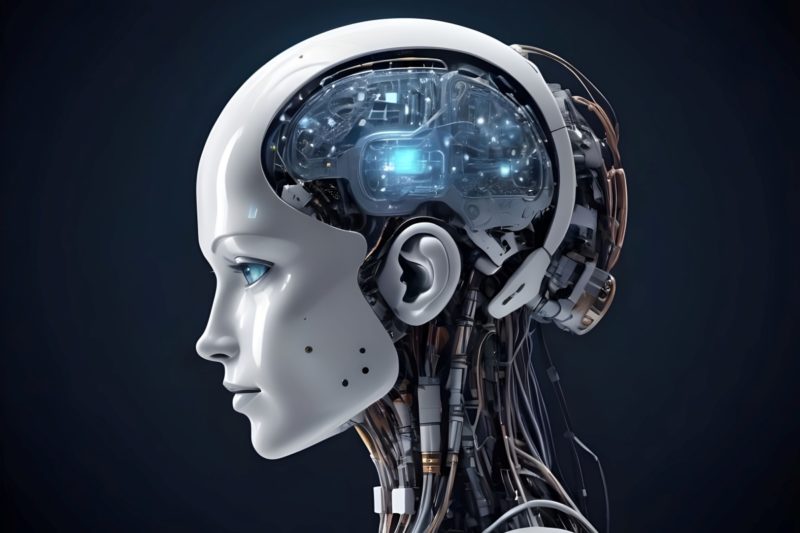
隨著現代 AI 模型在對話、推理與情感模仿上越發精進,大眾開始擔憂:人類是否會被演算法迷惑,誤以為它們擁有真實的情感與主觀思考能力?然而,德國慕尼黑大學(LMU)的最新研究給出了令人意外的答案:即使 AI 展現出與人類完全相同的行為,我們依然會在「智慧行為」與「真實意識」之間畫下一道不可跨越的界線。
這項發表於《Cognition》期刊的研究,由 LMU 心靈哲學與社會神經科學團隊主導。研究團隊對近 1,100 名受試者進行了對照實驗,讓兩組人閱讀情境設定完全相同、但主角分別為「人類」與「人工智慧」的故事。情境描述了主角對周遭聲音或他人情緒的反應程度,隨後要求受試者評估該主角的「感知/覺察能力」(Awareness)以及其擁有的「意識」(Consciousness)。