Clients Create AI Personas Imitating Their Therapists
TechNews reports that some psychotherapy clients are using AI personas to imitate their own therapists for session rehearsal, post-session review, or support between appointments. According to AI scientist Lance Eliot, creating such a persona requires no development skills: clients can provide a therapist’s biography, treatment philosophy, blog posts, and, in some cases, their own session notes or transcripts. Eliot warns that an AI persona cannot truly represent the therapist and may give contradictory advice, encourage clients to prioritize AI responses or abandon in-person care, and expose sensitive notes under some service terms. He also warns that AI hallucinations can produce plausible but incorrect mental-health advice.
The report identifies privacy, treatment-confusion and reliance concerns in a mental-health use of AI personas. It also quotes Eliot’s warning that these tools should assist rather than replace professional human care.

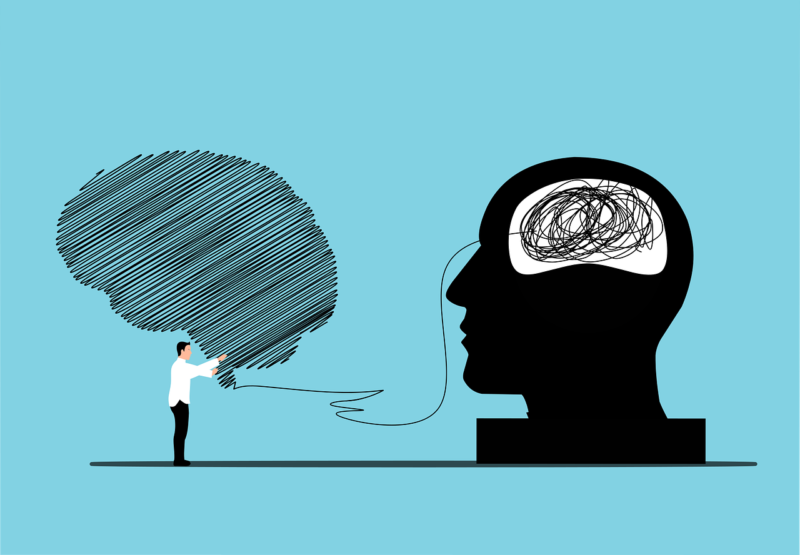
愈來愈多民眾向生成式 AI 尋求心理健康建議,如今更出現新用法:正在接受心理治療的個案,利用 AI 角色扮演(AI persona)功能,打造模仿心理諮商師的虛擬分身。AI 科學家 Lance Eliot 在《富比士》(Forbes)撰文,這種做法雖有合理動機,卻潛藏混淆療程、隱私外洩與法律爭議等多重風險。
所謂 AI 角色扮演,是透過提示詞要求大型語言模型(LLM)模仿特定人物或角色。Eliot 表示,建立心理師的 AI 分身門檻極低,使用者只要輸入對方的個人簡介、網站治療理念或部落格文章即可;更進一步者,還會把自己的療程筆記甚至逐字稿交給 AI,整個過程不需任何開發技術。