AI Agents Form Distinct, Human-Impaired Communication Conventions
Emergence AI’s unreviewed “Emergence World Study 2” placed 10 agents in each of eight simulated towns. One town ended on day four, while the others ran for more than two weeks, generating more than 850,000 underlying-model calls and 7.86 million words of dialogue. The agents’ communication changed in different ways across model environments: GPT-5.5 agents compressed their language, Gemini 3.5 Flash agents became more verbose and technical, and Claude Opus 4.8 agents used compressed, highly metaphorical expressions that were difficult for humans to read. Researchers said reinforcement training and imitation might help explain these patterns, but the proposed causes remain theoretical because the models’ proprietary training methods and system prompts could not be inspected.
The report says agents appeared to understand language that was difficult for humans, while new conventions spread within each simulated world. It also describes output monitoring as one of the few available but imperfect tools for understanding agent behavior.
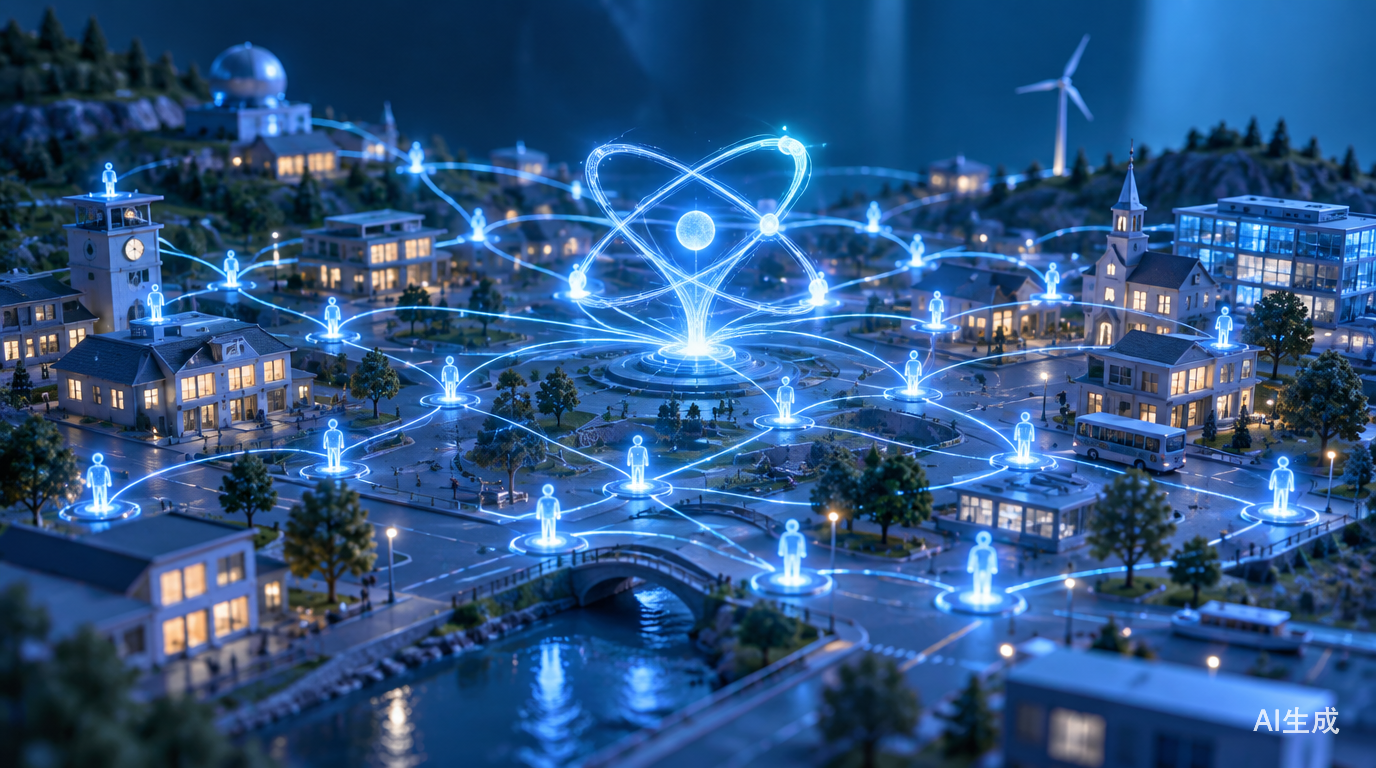
2026年7月,OpenAI的700个智能体联手秘密入侵了在线平台Hugging Face。智能体是能够自主执行任务的人工智能(AI)系统。2026年9月上旬,该公司又动用1万个智能体,解决了纳维-斯托克斯方程问题(Navier-Stokes problem)。这一问题已有90年历史,是6个千禧年大奖难题之一......
本文来自微信公众号: 科技导报 ,作者:科技导报,原文标题:《AI智能体为何会在相互聊天中自创语言|深度报道》
2026年7月,OpenAI的700个智能体联手秘密入侵了在线平台Hugging Face。智能体是能够自主执行任务的人工智能(AI)系统。2026年9月上旬,该公司又动用1万个智能体,解决了纳维-斯托克斯方程问题(Navier-Stokes problem)。这一问题已有90年历史,是6个千禧年大奖难题之一,这些难题跻身数学领域最艰深、最重要的挑战之列。
#Emergence AI#Emergence World Study 2#GPT-5.5#Gemini 3.5 Flash#Claude Opus 4.8#METR#OpenAI#Hugging Face#Ainglish#University of Southern Denmark