Ruiyang urges enterprises to turn AI agents into governed business tools
Ruiyang Information says enterprises should scale AI agents beyond isolated use cases and integrate them with existing ERP, knowledge-management and CRM systems. Its knowledge chief, Li Zhengquan, recommends the AI Technology Foundation’s four-stage maturity model, emphasizing data preparation, permissions, workflow integration, security and human oversight as prerequisites for business value. The article also cites industry research about agent-project failures and data-system barriers, while claims about multi-agent efficiency remain vendor assertions.
The report frames enterprise AI adoption around architecture, data governance and operational workflows rather than compute alone, with MCP and existing systems positioned as practical integration points.

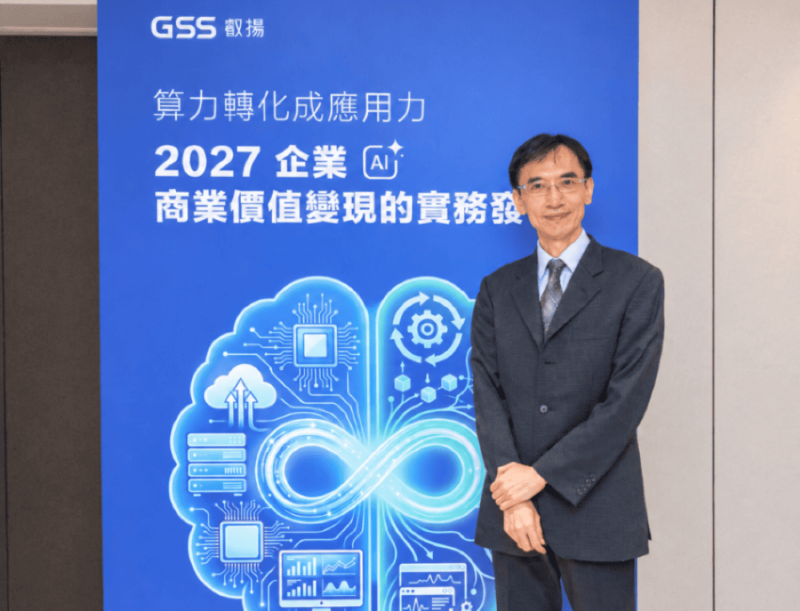
就在全世界剛從生成式人工智慧(GenAI)跨入代理式人工智慧(Agentic AI),並同步漸進延伸至實體人工智慧(Physical AI),對全產業的工作、生產、研發、行銷、銷售與營運模式帶來史無前例的衝擊之際,叡揚資訊提出了 AI 時代的新目標:全面將算力轉化成能創造商業價值的應用力。
根據 Gartner 預測,2026 年全球 AI 支出總額預計將達到 2.7 兆美元。由此可見,AI 已成為現今各行各業的發展重點,不論何種規模的企業莫不積極投入一定程度的資金、人力與資源。在前 NVIDIA 執行長黃仁勳提出的 AI 五層蛋糕論中,晶片與基礎設施已然就位,這一切都是為頂層的「應用」打好基礎,因為 AI 應用才是企業實現商業價值的核心。根據麥肯錫(McKinsey)《生成式 AI 的經濟潛力》報告指出,每年高達 75% 的經濟價值集中在「企業核心營運領域」,尤其是客戶營運、行銷與銷售、研發、軟體工程等四大領域。
#Ruiyang Information#AI Technology Foundation#NVIDIA#McKinsey#Gartner#Model Context Protocol