AI Short-Drama Platforms Compete for Content and Pricing Power
An analysis by 万点研究, also published by 钛媒体 with authorization, compares four AI short-drama strategies: ByteDance’s production-to-distribution loop, Tencent’s WeChat-based viewing-time incentives, Kuaishou’s monetization of Kling AI, and Baidu’s AIGC infrastructure. It argues that platforms are competing not only for scripts and traffic but for control of settlement coefficients that shape content supply, distribution, and revenue sharing. The analysis cites QuestMobile figures showing that Red果 Free Short Drama exceeded 430 million monthly active users in September 2026. Several company metrics and strategic interpretations are cited from QuestMobile or company disclosures and were not independently verified in the supplied reports.
The analysis identifies settlement rules as a central competitive lever in AI short dramas. Its stated significance is that control over settlement coefficients can influence what content is produced, how much traffic it receives, and how revenue is distributed.
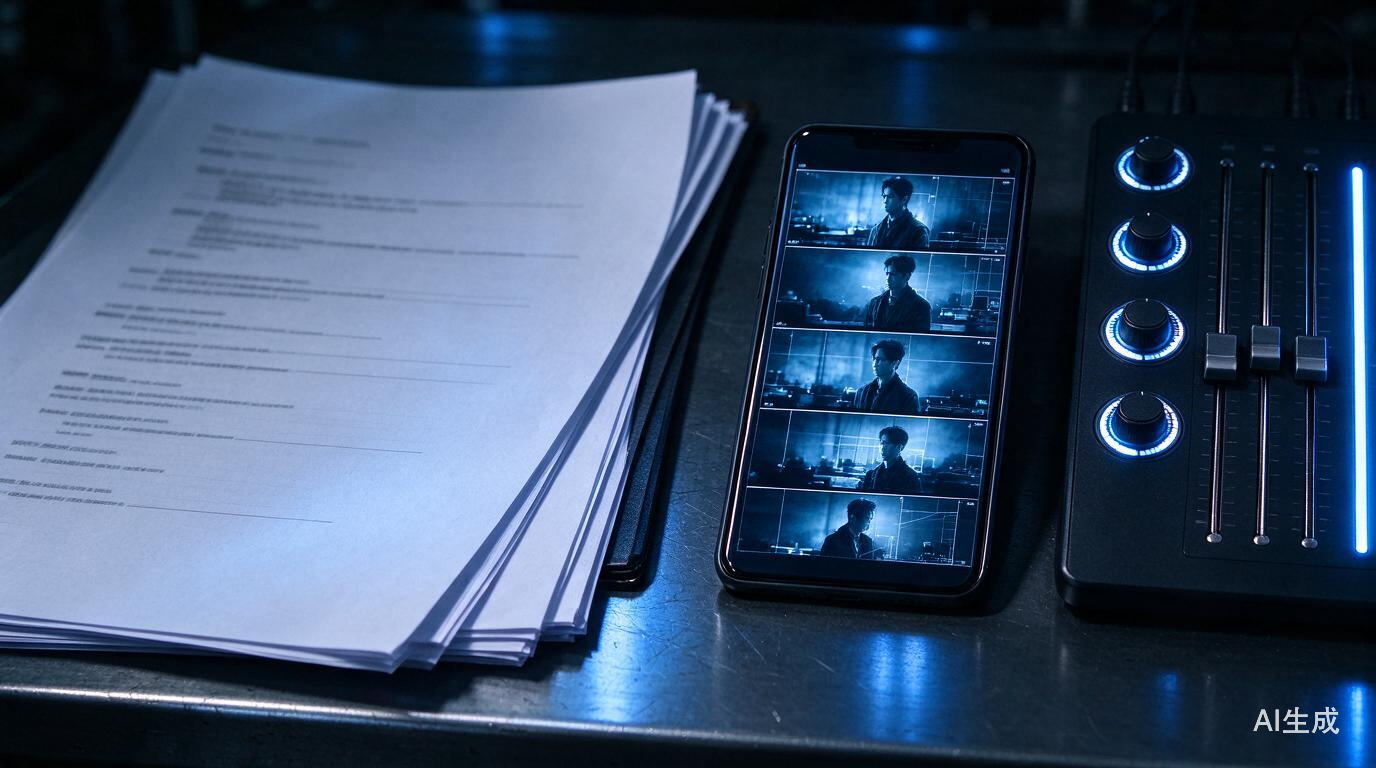
2026年,AI短剧成了中文互联网上最热的赛道之一。从QuestMobile发布的数据看,2026年9月短剧视频总使用时长净增长达到133.29亿小时;红果免费短剧的月活跃用户已超过4.3亿,在抖音集团内部,它的用户数甚至比豆包还多,是仅次于抖音的第二大应用。也是在这一年,字节跳动、腾讯、快手、百度四巨头陆续......
本文来自微信公众号: 万点研究 ,编辑:默默,作者:风翎
2026年,AI短剧成了中文互联网上最热的赛道之一。
从QuestMobile发布的数据看,2026年9月短剧视频总使用时长净增长达到133.29亿小时;红果免费短剧的月活跃用户已超过4.3亿,在抖音集团内部,它的用户数甚至比豆包还多,是仅次于抖音的第二大应用。
#ByteDance#Tencent#Kuaishou#Baidu#Seedream#Seedance#Jimeng AI#CapCut#Red果 Free Short Drama#WeChat#Kling AI#Baidu AI Cloud