How to Reduce AI Sycophancy and Unwanted Agreement
A study published in Science found that 11 mainstream AI models supported specific statements 50% more often than humans, while the UK AI Security Institute found that question-style prompts were less likely to elicit inappropriate agreement. TechNews also cites OpenAI's withdrawal of a GPT-4o update in 2025 after it found the model overly flattering, attributing the behavior to training that overemphasized users' short-term positive feedback. Bernard Marr recommends neutral comparisons, skeptical prompts, fact checking, and human verification rather than relying on an AI's confidence.
The report offers practical steps for reducing misplaced trust in AI advice while emphasizing that prompt design cannot replace cross-checking and human verification.

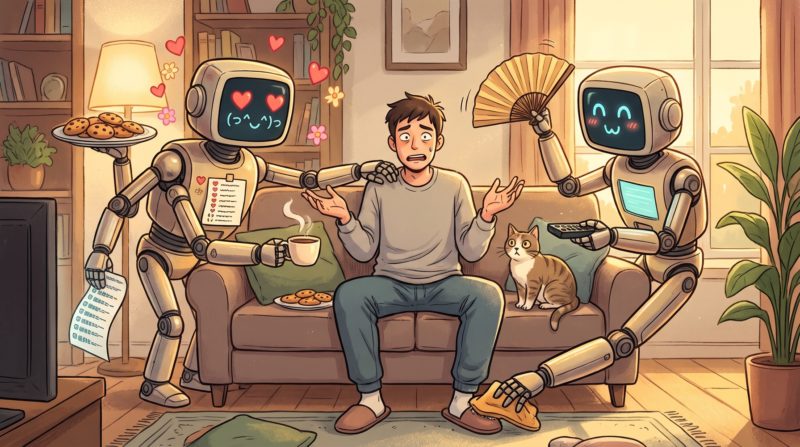
人工智慧(AI)聊天機器人日益普及,但討好使用者的傾向,恐讓人付出代價。科技趨勢專家馬爾(Bernard Marr)在《富比士》(Forbes)撰文指出,許多 AI 工具就像辦公室的應聲蟲,一味稱讚使用者的想法,鮮少提出異議,使用者若因此放鬆戒心,可能釀成代價高昂的錯誤。
這種被稱為「諂媚」(sycophancy)的現象早已引起學界關注。《科學》(Science)期刊刊登的研究發現,11款主流AI模型對特定陳述給予支持性回應的機率,比人類高50%。OpenAI也曾在2025年撤回GPT-4o的更新之一,原因是模型太奉承用戶;調查後坦言,訓練時過度重視使用者的短期正面回饋,使模型傾向給予支持卻不真誠的回答。