Smart-driving hardware converges; chassis control becomes the next SUV battleground
DoNews reports that high-end smart-driving hardware is reaching 30–40万元 SUVs faster than expected, citing the AITO New M8's 896-line dual-path image-level LiDAR. The analysis argues that software coordination and calibration across suspension, steering, braking, and drive systems are becoming a differentiator, using the Voyah Taishan X8's Huju Intelligent Chassis as an example.
DoNews identifies coordinated chassis control and calibration as an emerging source of differentiation for premium SUVs as smart-driving sensing hardware becomes more similar.
高阶智驾硬件的下放速度,比多数人预期更快。
以896线双光路图像级激光雷达为例,这类原本主要应用于更高价位车型的感知硬件,以问界新M8为代表,相关硬件开始出现在8系车型的配置清单中,释放出高阶感知配置加速普及的明确信号。2026年也被部分行业观点称为车载激光雷达的“3D成像元年”。
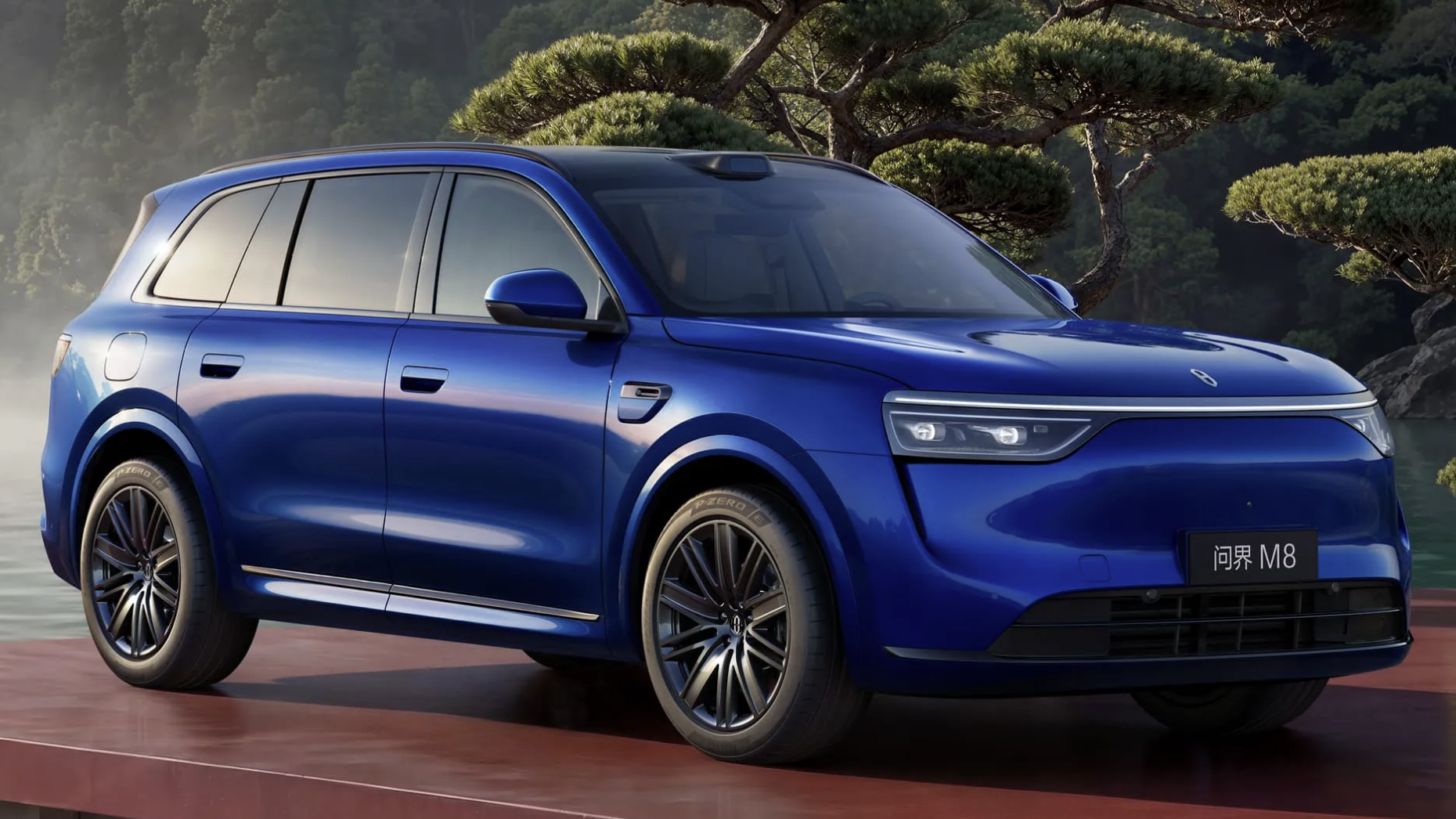
可以预见,未来两到三年,多激光雷达、高算力平台等配置有望在30万以上车型中快速普及,不同产品之间的硬件参数差距会被逐渐拉平。对主机厂来说,这意味着高阶智驾正从“我有你没有”的差异化卖点,变成“大家都有”的基础能力。
因此,主机厂一方面要继续提升智驾体验,另一方面也需要寻找新的技术支点。竞争由此继续向下沉,进入决定车辆如何执行、如何响应的底盘领域。