TMTPost profiles Wang Tao’s path from data annotation and Scale AI to leading Meta’s AI organization after Meta acquired a 49% stake in Scale AI for $14.3 billion. The account says his team developed Muse as a personal AI assistant rather than following the industry’s focus on coding agents, and that the product launched on September 8. Sensor Tower’s estimate that Muse reached five million US downloads in roughly 22 days makes the strategy commercially notable, while reports of a potential Zuckerberg succession remain speculative.
What problem it solves
Building AI agents and workflows often requires combining visual orchestration with custom code while connecting them to existing systems. The platform addresses these needs with model flexibility, self-hosted or cloud deployment, workflow logic, human approvals, and observability.
Key features
Visual and code-based workflow building — Build workflows on a visual canvas and …
What problem it solves
Organizations sharing GPU infrastructure need a consistent way to run development, training, and inference workloads across Kubernetes environments. They also need centralized scheduling, resource governance, workload orchestration, and visibility across teams and clusters.
Key features
AI-aware GPU scheduling — Schedules GPU workloads with fair-share, preemption, bin-packin…
What problem it solves
Teams operating Prometheus need a way to retain metrics over the long term while supporting horizontal scaling, availability, and centralized access to metrics from multiple instances. They also need to isolate data and queries for independent teams or business units while sharing the same deployment.
Key features
Scalable long-term metric storage — Grafana Mimir provides lo…
What problem it solves
This project provides simple PyTorch implementations of neural networks and related algorithms. These implementations are documented with explanations and rendered as side-by-side formatted notes to help readers understand the algorithms better.
Key features
PyTorch Implementations — The project provides implementations of neural networks and related algorithms using PyTorch…
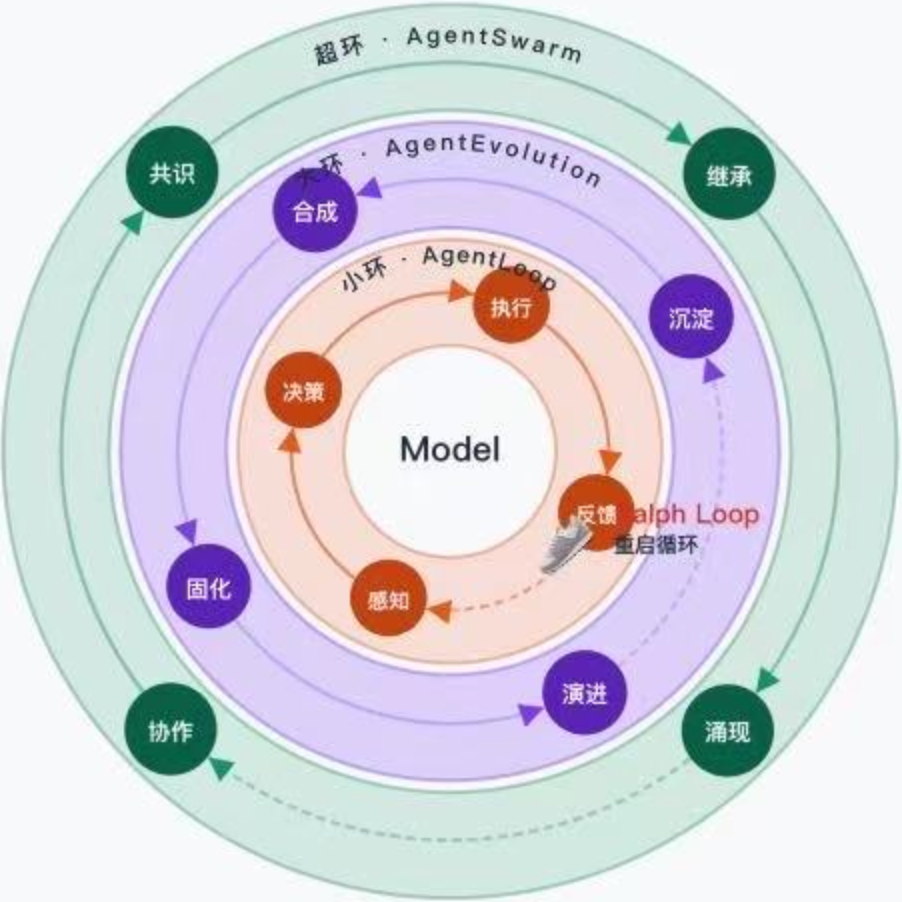
AI has already entered code writing, algorithm optimization, and model development. But after a task is completed, what remains may be reusable capability—or merely an answer and scattered logs. The difference becomes apparent only when a similar problem comes up again: can the system reuse what it learned, or must it pay the cost of exploration all over again?
Recursive Self-Improvement (RSI) co…
 n8n• Pinned