Huawei’s rotating chairman Xu Zhijun wrote a first-person account in TIME about joining Huawei in 1993 and the company’s innovation path, according to IT之家. He described Huawei’s work on digital switching, distributed base stations, SingleRAN, 5G, autonomous driving and Ascend chips, and said the 2012 Laboratory incubated 5G, autonomous-driving and Ascend projects before beginning AI research in 2016. IT之家 also reported Huawei’s SingleRAN 22.1 claims, including more than 30% higher uplink throughput after deployment, but these performance figures come from Huawei.
What problem it solves
Researchers often need to turn unconstrained ideas and experimental logs into complete research manuscripts with literature synthesis, structured sections, refinements, and figures. PaperOrchestra addresses this gap by coordinating specialized agents across the paper-writing workflow and producing LaTeX manuscripts that follow target conference templates.
Key features
Multi-…
What problem it solves
Speech recognition systems often lose global context when they divide continuous audio into short chunks, while speech generation must maintain speaker consistency, timing, and coherence across long recordings. The project addresses these needs with unified long-form ASR, streaming recognition, and text-to-speech models.
Key features
Long-form speech recognition — Process co…
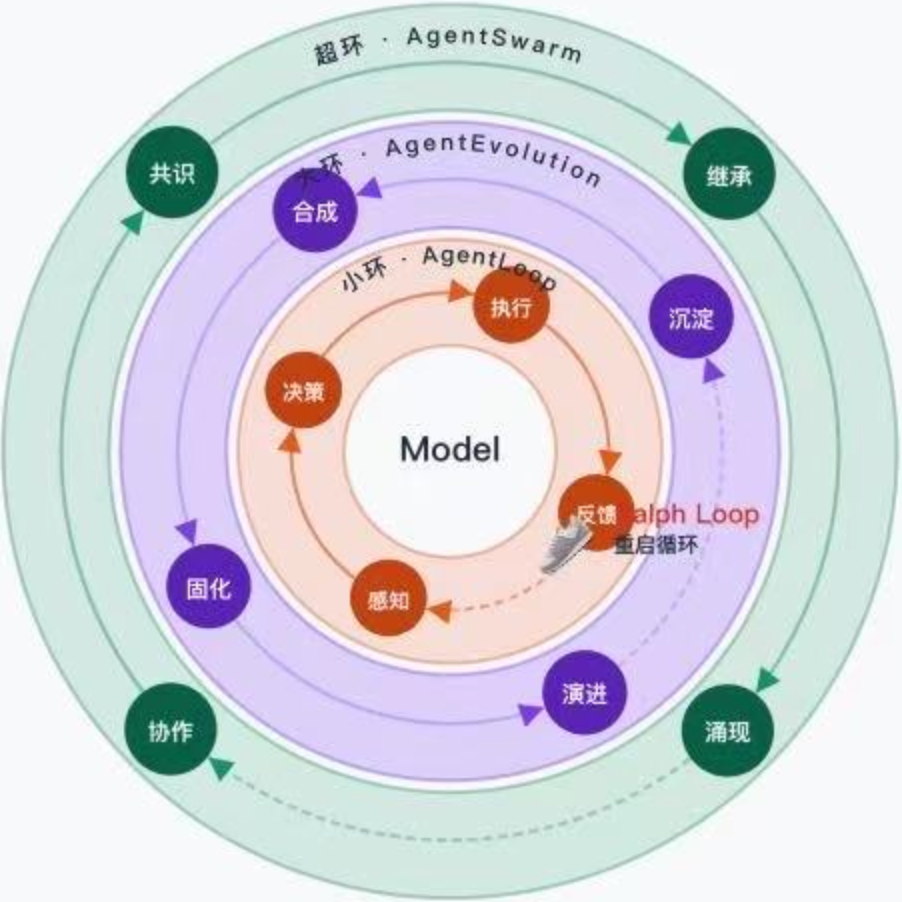
AI has already entered code writing, algorithm optimization, and model development. But after a task is completed, what remains may be reusable capability—or merely an answer and scattered logs. The difference becomes apparent only when a similar problem comes up again: can the system reuse what it learned, or must it pay the cost of exploration all over again?
Recursive Self-Improvement (RSI) co…
 paper-orchestra• Pinned